
Primetime and The Hockey Pads Effect
A24, Youtube
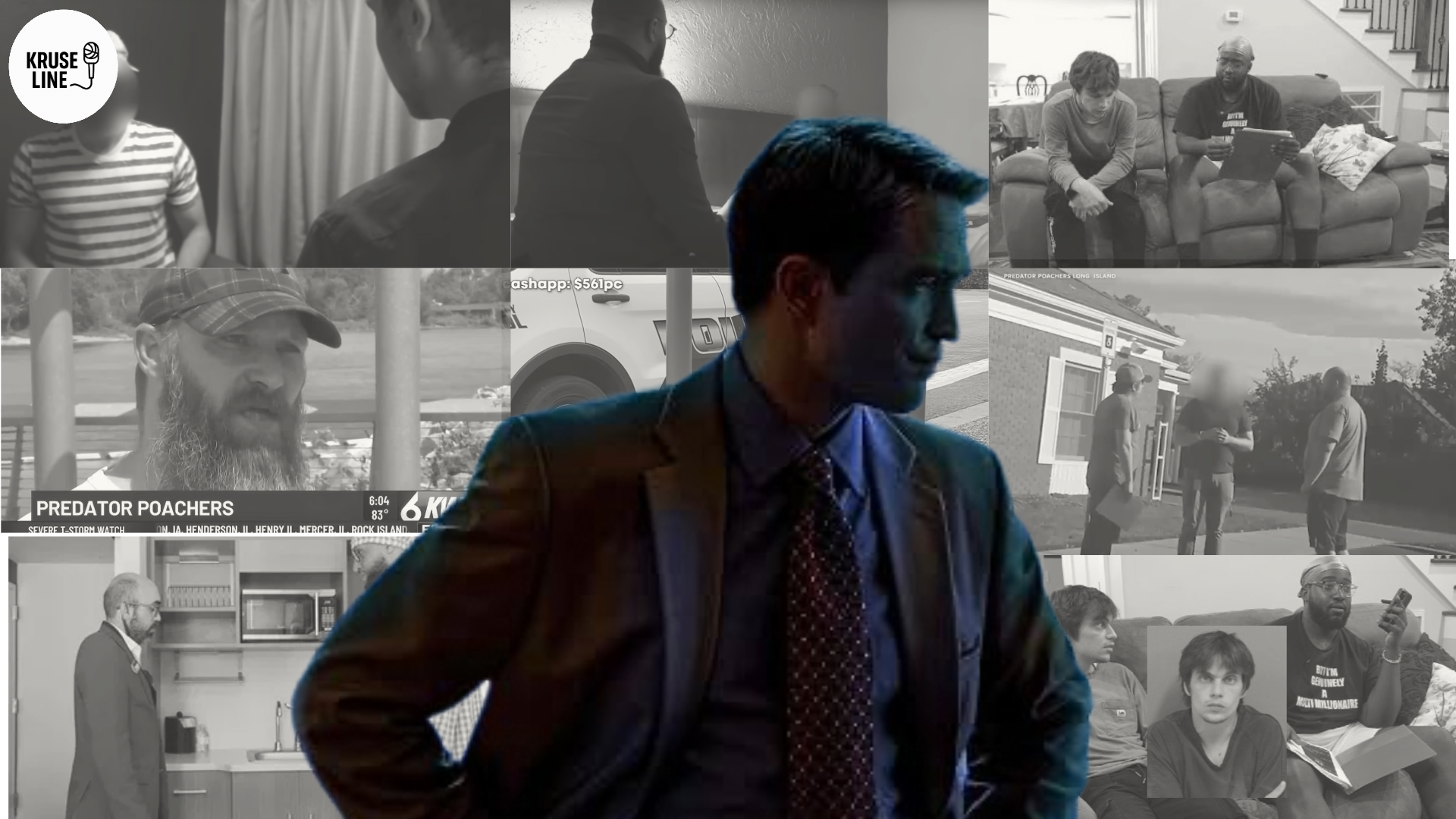
In ‘The Dark Knight’, one scene perfectly represents ‘To Catch A Predator ' host Chris Hansen and the people who, since the debut of the show on Dateline, have followed his pursuit of justice.
Brian: “What gives you the right?”, “What’s the difference between you and me?”
Batman: “I’m not wearing hockey pads.”
In Batman’s universe, his mystique tempts people into believing they can be just like him, but Batman is a literal cave filled with tools, specially trained skills, and a mansion full of money that the average Joe lacks. The same could be said for Hansen’s effect on his audience.
Now, with Primetime, Director Lance Oppenheim goes back to the early 2000s, showcasing the early rise of ‘To Catch a Predator '. Even in the first trailer, it emphasizes the process that would go into a sting operation for the program. That process itself is a big reason why the program was far more able to achieve its goal of bringing awareness than a Facebook live stream can today.
Unlike most of those streams, Hansen had the help of the police, network television crews, and a team that understood the legal boundaries of the investigation. However, the people attempting to follow in his footsteps only ever saw the guy catching and humiliating some guy behind a countertop. The real issue became that the quest to catch and humiliate a person took priority over many more important steps, like properly catching the guy.
The problem becomes that the lemonade-flavored countertop was the only thing “To Catch a Predator” wanted the viewer to taste.
Blurred
‘To Catch A Predator’ follows the same investigative tradition as ‘Dateline’, but its overwhelming success changed the relationship between journalism and entertainment.
The more popular the series became, the harder it was to tell the difference between the hard-hitting investigation from the edge-of-your-seat television NBC was selling. You weren't just watching an investigation anymore. You were watching must-see TV.
Lines Crossed
Dateline lived in the lane of investigative journalism and, at times, entertainment. ‘To Catch A Predator’, though, slowly reversed investigative journalism into focusing on outright entertainment. The series focus changed from getting the right person in the chair in the right way into getting any person in the chair. That change from investigative journalism to primetime spectacle brought more success, but also brought its own downfall.
In their search for more rating, like a 1990s crime film, the people got sloppy. Acts like luring people into a sting operation by being the first to make contact, taking away the act of due process, and overstepping legal grounds all to get edge-of-your-seat television. Things like that led to constant moral boundaries being crossed, but people’s lives were ruined by false accusations. Likely from NBC’s point of view, it was seen as just business in a series that was a staple on television across America. Those decisions, though, made compelling television, but pushed the
In an event that feels like a thematic culmination of all the moral boundaries that ‘To Catch A Predator’ broke for more success, it ruined everything they built. In the pursuit of a ‘predator’, who was later revealed to be Assistant District Attorney for the Dallas-Fort Worth area, Bill Conradt, To Catch A Predator pulled all the stops to ‘catch’ Conradt. After not getting to the house for the sting, the Dateline crew and police went to his house and served Conradt with an arrest warrant, leading to Conradt’s suicide.
Following his death, criticism of ‘To Catch A Predator’ and Murphy, TX police was massive. NBC and ‘To Catch A Predator’ time and time again sacrificed safety and justice in pursuit of a bigger number for the 18-40 ratings group. That sacrifice of safety and justice left them not only with lawsuits galore and the show cancelled, but the pursuit of their big fish in Conradt left them with nothing-not even the pole.
They Only Have The Hockey Pads
Chris Hansen has shown that he still values his goal of spreading awareness of the threat of online predators in multiple programs on his own. The problem that has stemmed from its cancellation, besides the immediate aftermath of lawsuits and questions about the morality of the show, was the copycats that stemmed from it. The people who followed ‘To Catch A Predator’ for awareness of online crime will likely follow people copying the same actions; the problem became that the people copying the series don’t have NBC and the journalistic integrity to back them up. YouTubers and other social media personalities who continued that type of investigation turned from investigative journalism to vigilante justice.
NBC and credentials are the obvious differences with people like JiDion and Colin Shoemaker, but not only that; To Catch A Predator worked with organizations like Perverted-Justice, along with Dateline, to work on their stings. Civilian stings on YouTube only have a camera to display their face and name to give proper justice. From his point of view, I’m sure Hansen and his crew see these people as continuers of the good deeds that he began, but in truth, the only thing that they continue is the spectacle that ruined ‘To Catch A Predator’.
Despite very rare police cooperation, journalistic credentials, and the help of a global network, people continue to make content like this because of the spectacle. Just like the 18- to 40-year-olds who were targeted by ‘To Catch A Predator’, social media personalities see how easily people go for content like this. Despite the even bigger moral issues with not having the proper backup to be able to bring actual justice, there’s a reason why it’s such a big content machine despite that. People love humiliation.
Since the days of public beheadings to ‘Naked and Afraid’, people love seeing others humiliated. While ‘Naked and Afraid' is far less dark in material than ‘To Catch A Predator’, it follows the same way to get viewers to tune in: people being humiliated. Most of the criminals on ‘To Catch A Predator’ needed to be prosecuted; a production like that found its own way to bring justice along with being must-watch TV.
Back In Primetime
In the rollout for Primetime, the film about the era of ‘To Catch A Predator’, even though taking liberties in the storytelling, has already shown the issue that came from this series.
Despite all the coercion and sacrifices of usual investigative duties to get a meeting at a countertop, it was all ruined by its spectacle. The only thing that should be taken away from To Catch A Predator is that true justice and primetime TV can never work. If you want to focus on bringing proper justice and following the same procedures to bring said justice, you’re sacrificing the actual enjoyment for the viewer; but if you sacrifice the proper procedures, you lose a level of credibility and trust, but grandma and grandpa now have something to watch at 6 pm.
Though ‘To Catch A Predator’ showed the real evil lurking online and in the real world, it also showed the evil in making television rooted in crime when you need to make a ratings number.
‘To Catch A Predator’ follows the same investigative tradition as ‘Dateline’, but its overwhelming success changed the relationship between journalism and entertainment. The more popular the series became, the harder it was to tell the difference between the hard-hitting investigation and the edge-of-your-seat television NBC was selling. You weren't just watching an investigation anymore. You were watching must-see TV.