
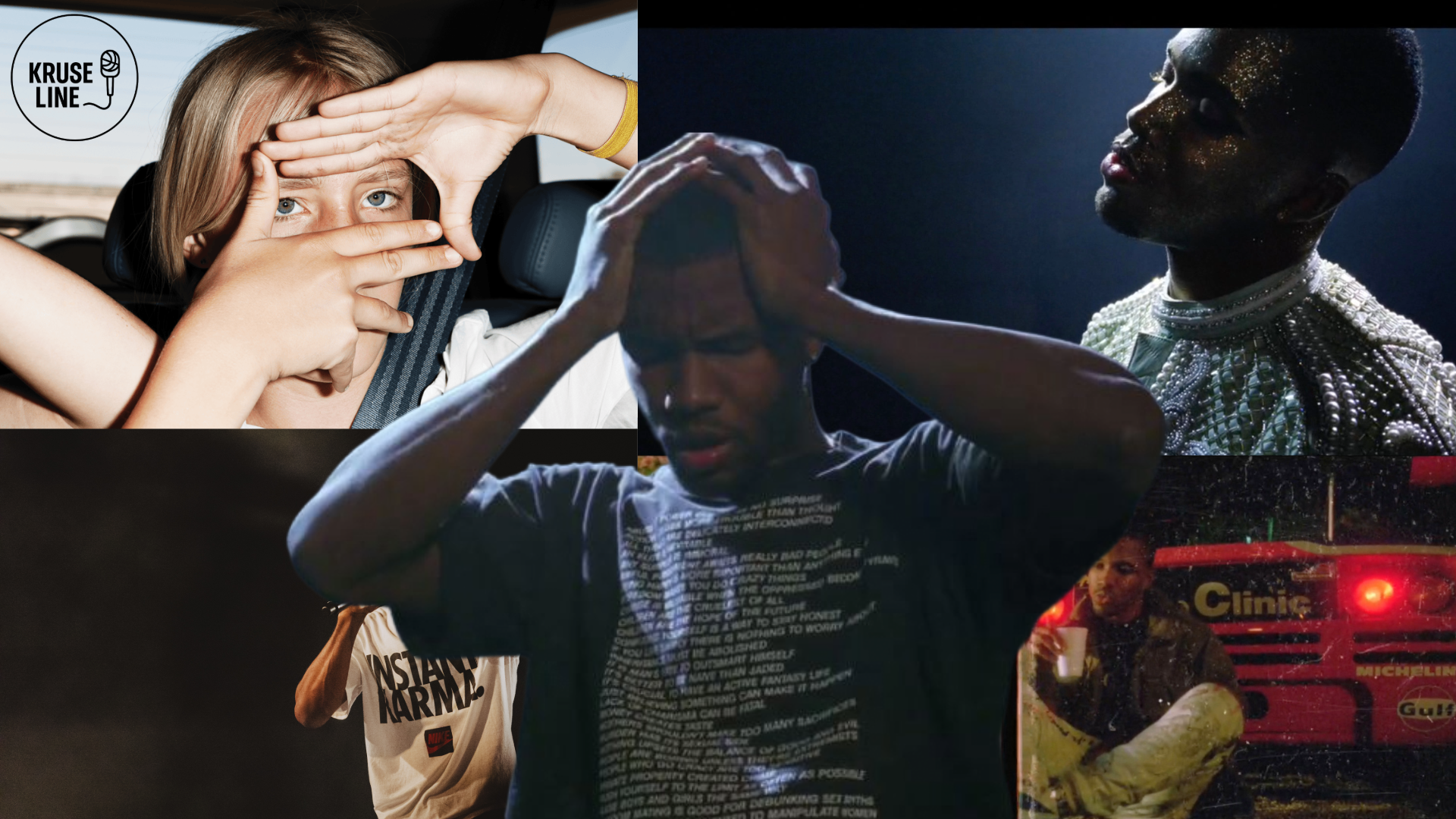
The Collaborationist, André Chemetoff, Rozette Rago
By early 2016, it was time for Frank Ocean’s return to the public eye. After the highly-acclaimed release of his debut album Channel Orange, Ocean decided to take time to not only make the right follow up, but on his own terms.
Prior to Blonde, Ocean filmed himself constructing a staircase with new music playing in the background. This stream ended up being the album, Endless. The point of Endless was to fulfill his contract with Def Jam Recordings and with the release, helped retain his master recordings.
The day after the livestream, Frank Ocean released Blonde. The day after the livestream, Frank Ocean released Blonde. Now 10 years later, Blonde is still one of the most immersive and important albums in modern music.
The Visuals Of Blonde
Directed by Tyrone Lebon. Other credits go to Tom Birmingham, André Chemetoff, Max Pearmain, David White, Ed Quarmby, Aubrey Woodiwiss, Adam Biskupski
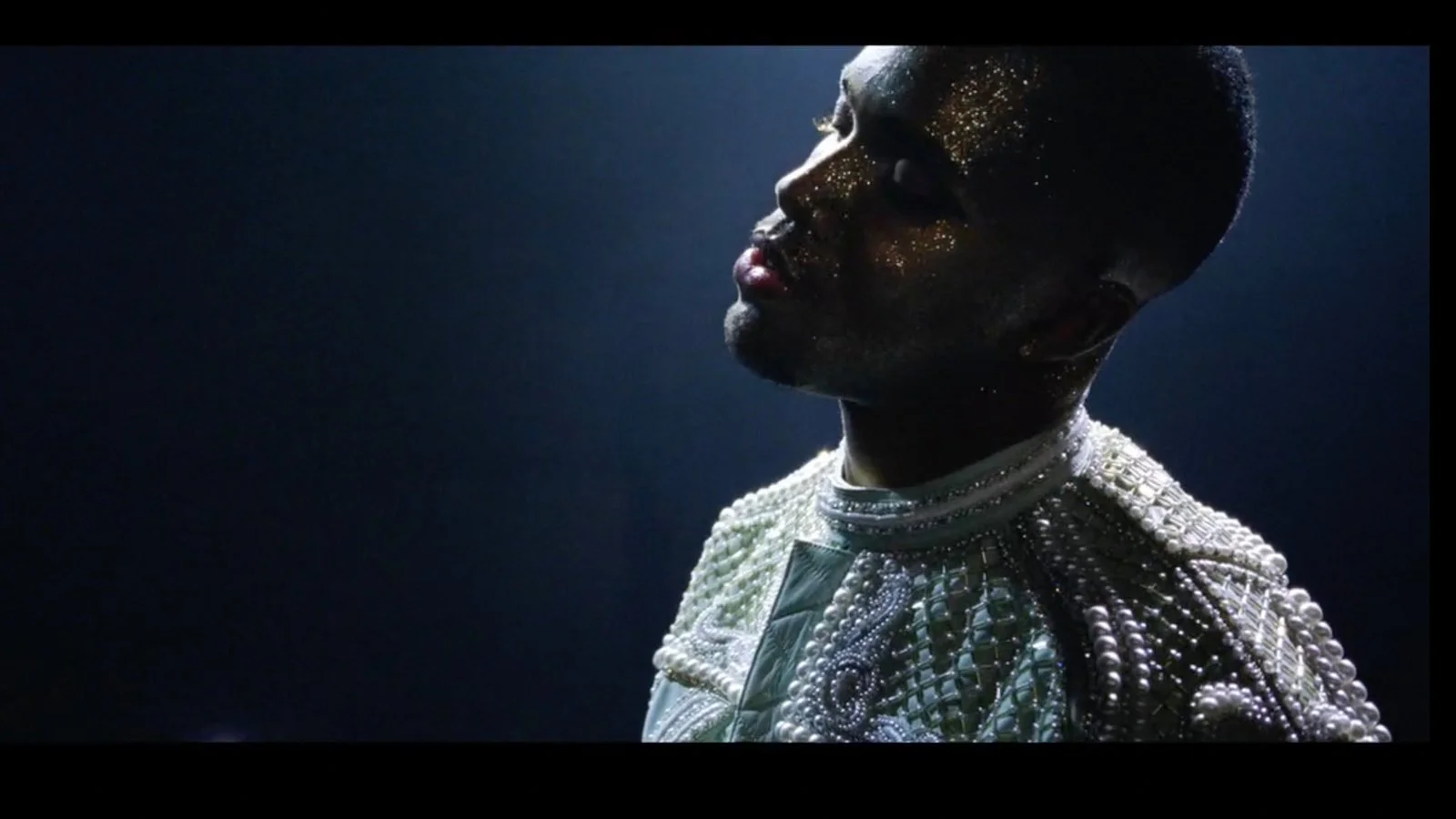
Full of glitter, Michelin stickers, and frames.
The same day Frank Ocean released Blonde exclusively on Apple Music, it coincided with the release of the music video for the lead single and intro, Nikes.
The video, directed by Tyrone Lebon, is a clear-cut representation of the song itself. The song starts with the talks of materialistic wants in a relationship (i.e Nikes. Rings, Othello) and as the second verse of the song begins it moves into more intimate speaking on a short term relationship.
One of the more notable scenes in Nikes is a nod to the Heaven's Gate cult in the 1980s. The scene depicts people lying in a bedroom all wearing Nike Decade sneakers, which were the shoes worn by the cult. Another reference is in Frank Ocean’s adlibs throughout the song.
During the party scenes, he says “Don’t take no photos in the party, that’s rule number one! Rule number two, don’t take no photos in the party!”. A reference to the 1999 film Fight Club when Brad Pitt says “ The first rule of Fight Club is: you do not talk about Fight Club. The second rule of Fight Club is: you DO NOT talk about Fight Club!”.
The album uses visuals like many before to represent what the listener should feel. This is seen at its best through the album cover.
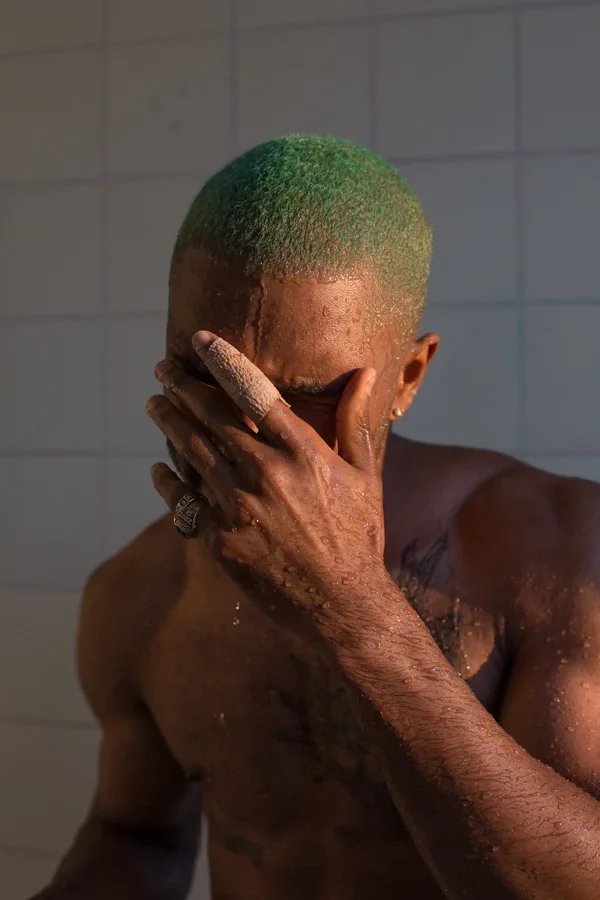
Wolfgang Tillmans
Photographed by Wolfgang Tillmans, the cover seems to be a better representation of what the album was before Blonde.
Before its official release as Blonde, it was called Boy’s Don’t Cry (later becoming the name of Ocean’s record label). The cover sees Ocean trying to hide his tears with his left hand.
This photo and its contradiction of the name, Boy’s Don’t Cry seems to be a comment on traditional masculinity. The cover seems to be the best example of the most overlooked aspect on Blonde, the visuals tell more than the songs itself.
“Two years ago I found an image of a kid with her hands covering her face. A seatbelt reached across her torso, riding up her neck and a mop of blonde hair stayed swept, for the moment, behind her ears, her eyes seemed clear and calm but not blank, the road behind her seemed the same, I put myself in her seat then I played it all out in my head,” Frank Ocean said in a Tumblr post following Blonde’s release.

Wolfgang Tillmans
Years prior to Blonde’s release, Ocean reached out to acclaimed photographer Wolfgang Tillmans to use a photo of his for Endless. The photo above not only was an idea that helped him create Blonde, but manifested the themes throughout the record. From the information gathered, it feels entirely true that Ocean’s feelings towards this photo was the main catalyst for Blonde and the dense themes explored throughout the record.
The Album Itself
Lyricism
While there are theories galore on if Blonde has an actual story or not, I believe it is a collection of memories that follow the same throughline of themes: youth and growing up and learning from that youth. Mentions of first kisses, loves, and late night drives. It’s nostalgia.
Along with its use of nostalgia, a more dominant force of the album is in its duality. Split into two halves from the beat switch on Nights, the first half of the album feels more like living in the moment.
Ivy feels like the biggest example of this. In the song, Frank seems to look at a young romance and how it led to the end of the relationship. Mentions of Syd’s house can be used as symbols for the past tying back to the nostalgic element throughout the album.
via Apple Music
The second half of the record explores learning and understanding from that youth, and most importantly how it affects our adult selves. Songs like Close to You, White Ferrari, and Futura Free are the best examples of this introspection.
In White Ferrari, Frank uses the car as a symbol of getting one last look at a romanticized version of this relationship before it unfortunately ends. The last verse further explores this theme, with the lyrics seeming as both trying to prove something to the other on if the relationship should end or not.
The album in all feels like a time capsule of a period in almost everyone’s life. You’re past the innocence of youth and have the ability to introspect and understand the depths of your relationships. Like many of the listeners who listened when it originally came out, they are now in the introspection part of their life, and that reason could lead to why it seems to stay so relevant.
Spike Jonze
Legacy
While Frank Ocean has been relatively quiet since the release of Blonde (hopefully that changes within the next 15 years) Blonde seems to always maintain a grip in popular culture.
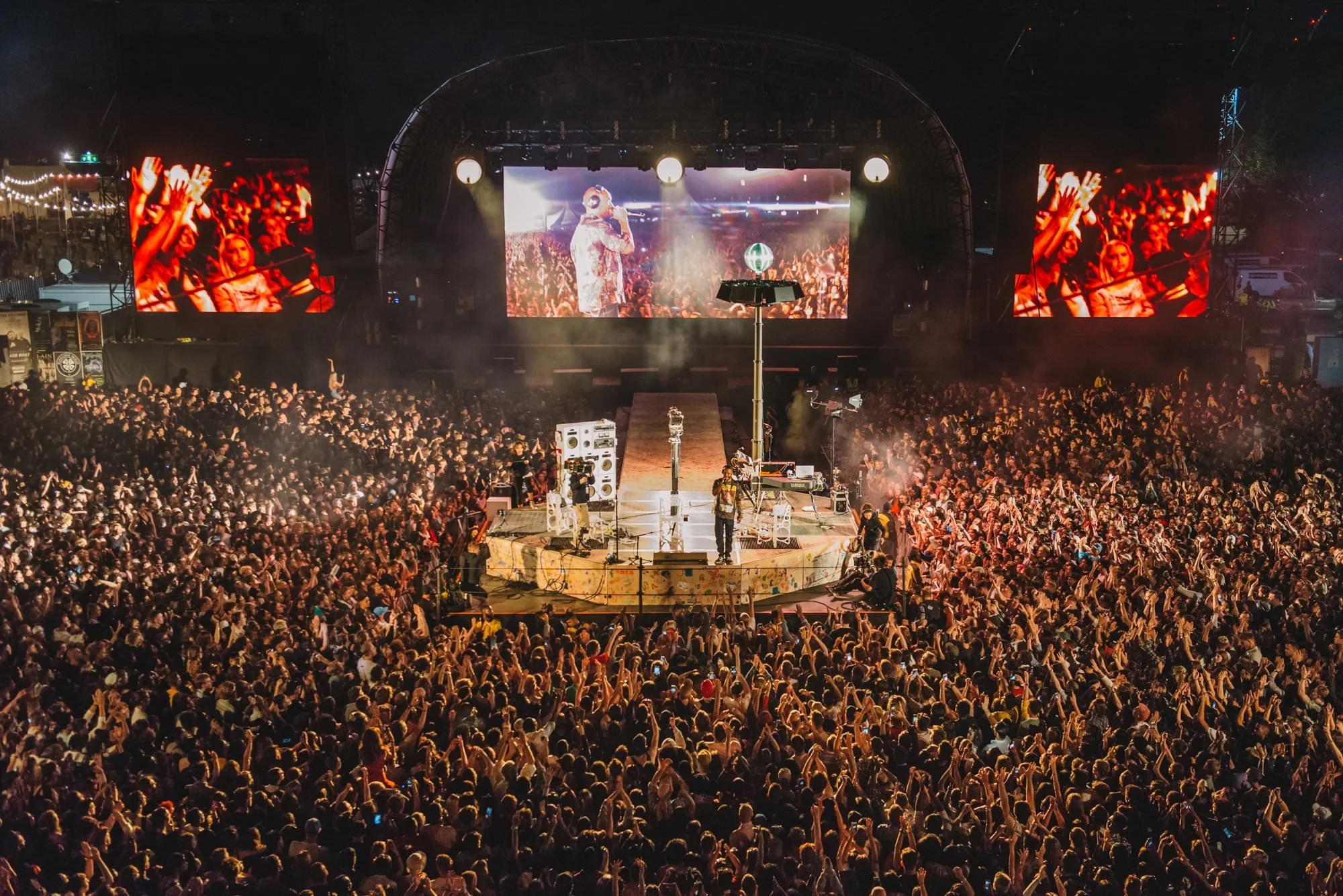
Frank Ocean over the past few years, has seemed to grow into a mythical figure. His last concert appearance being at Coachella in 2022, while this absence may be from the tragic passing of his little brother, Frank’s absence has made Blonde’s release become more like the album’s meaning itself.
The people who listened to Blonde before now can see it as from a certain time in their life and now those people can look at it with the same nostalgia and introspection Frank uses on the album.