
Nick Krug, Jamie Rhodes-Imagn Images, David Jensen-Getty Images, Sam Navarro-Imagn Images, Tyler Tate-AP Photo, Ben McKeown-AP, Andrew Nelles-The Tennessean via Imagn Images, Eric Gay-AP
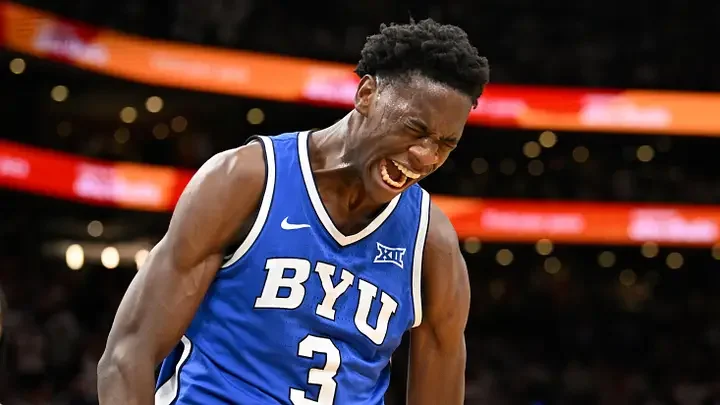
#1: The Washington Wizards Select AJ Dybantsa
Eric Canha-Imagn Images
Pro Comparison: Higher-Ceiling Jaylen Brown
Dybansta, while not in the generational tier as players like Wemby or close to that tier like Flagg, he separates himself from them in his own way. His NBA-ready physique at his size is at a higher level than anyone else in this class, and it shows in his percentages. At his lone season at BYU, Dybantsa had a driving percentage of 24% with him, which puts him below Kingston Flemings for driving, but unlike Flemings connected on 63% of his rim shots. His ability to not only generate paint touches, but also convert at a high rate. This is not a normal hyped-up freshman prospect, this is a wing that has already developed abilities that take players time in more professional leagues to develop.
Defensively is where there is more room to improve. While having the measurables to become a successful defensive player, it feels like pieces are the only thing there at this moment. When engaged on defense, he is often disruptive but those became few and far between during the season. This lackluster tape defensively can also be excused by his heavy usage as a freshman. While leading the NCAA in scoring as a freshman, that was at 33.5% usage, which only got worse with senior Richie Saunders injury.
While defense is a question, there is not a question that he is a franchise-altering piece to any team.
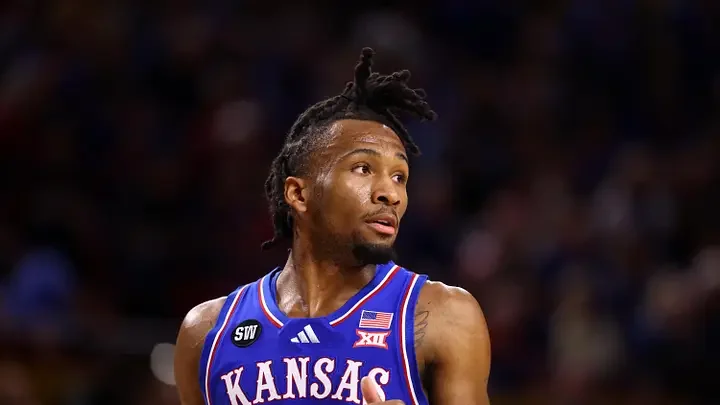
#2: The Utah Jazz Select Darryn Peterson
Mark J. Rebilas-Imagn Images
Pro Comparison: Modern Day Clyde Drexler
While nothing normal happened at Kansas, from what was only recently learned to be a reaction to heavy creatine use causing constant cramps. He still had the flashes that made him look like one of the best modern guard prospects we’ve seen. During his season at Kansas, his role showed the easy versatility he adds to any guard room. In Prolific Prep, he took the main facilitation and at Kansas turned into a primary scorer which shows in most of his assist rates, even in this new role and situation he thrived. One stat that shows this off-ball ability is his shooting from the corner at 56%.
There is clear concern around not only the cramps and its long term effects, but how it sprung to other moments within his season. While those concerns are warranted after such a hyped player turned into a question mark. His game never really faltered from this situation. While rarely playing complete games, Peterson would have halves of games that he would completely take over. The biggest example was in his game against BYU. While only playing 20 minutes due to the cramp, he scored 18 points and had the highlight dunk against BYU players, Keba Keita and Mihailo Boskovic. That game proved a bigger point in his season that while rarely on the court for long spurts of time, when he is on. There’s no one like him
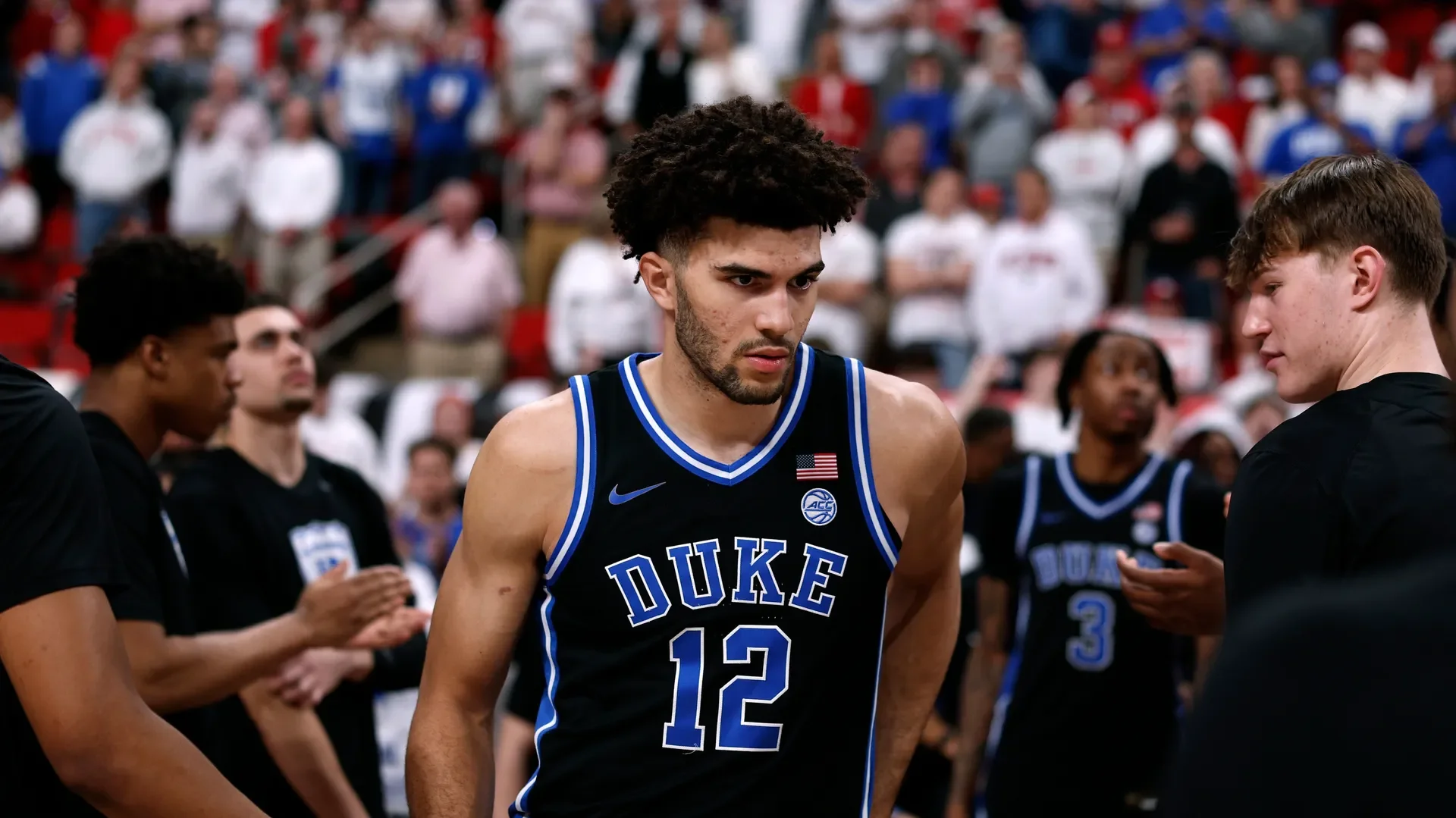
#3: The Memphis Grizzlies Select Cameron Boozer
Melina Myers-Imagn Images
Pro Comparison: If Al Horford and Kevin Love Had A Baby
Cam is just a winner.
Boozer over his years in USA Basketball, high school, and his lone season at Duke proved that and more. Cam, feels like a combination funnily enough given his father’s past a mix of the dominant back to the basket power forwards of the 2000’s mixed with the more versatile big man we’ve seen in the last decade. While at Duke, Boozer had the production and skill of players who have honed their game for years in college environments. The biggest example shown in the stats. Throughout the season, Boozer led all players in points, rebounds, and assists and won the Naismith Player of the Year Award all in one year.
This dominance, like mentioned earlier, is a combination of two eras. While Boozer is able to easily punish mismatches and other competition with footwork that is unlike anyone else his age, his best ability is outside of scoring. His ability as a facilitator and rebounder at his size is unlike many his class, let alone his age has seen.
Once moving to the next level, I don’t expect him to pop off scoring unlike others but he will be the most consistent and efficient. I think his best rookie impact comparison will be similar to last year’s Kon Knueppel. Both players who might not pop off the page, but will do all the right things to contribute to a higher level of winning than the team originally thought.
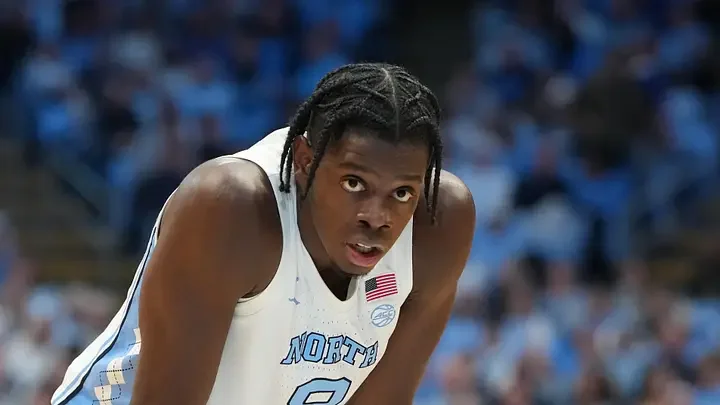
#4: The Chicago Bulls Select Caleb Wilson
Bob Donnan-Imagn Images
Pro Comparison: Baby Giannis Antetokounmpo
Out of all the players in the top four, Wilson will need time, but not as much as what’s being described by others. What’s already there though, that will be there from his first NBA game is his physicals. His length, verticality, wingspan, and fluidity at his size is the best in this class. The biggest example is in even playing only 24 games for the Tar Heels, Wilson dunked 66 times. Which when averaged out means that he would dunk on average at 2.75 per game pace.
Wilson’s scoring primarily came from a combination of post-ups, seals at the rim, and high-and-low passes from teammates. The other shot and one of the best at in this class is his mid range scoring. In his 26 games, he shot 44% from mid-range. His three-point shooting is the question though that has been the swing factor in his potential development. While shooting at the free throw line at a 71% rate, I don’t feel that he will be lessened by not having a three-point shot.
His defense is where all his potential success lies. At UNC, he showed that maybe not being a team’s defensive anchor, his ability as a roamer defensively led to an ability to maximize any possession with his ability to gather steals and blocks at a high rate.
While Wilson will have skills that still need to be developed, Wilson is not the ‘raw’ label that has been put on him during thai draft cycle.
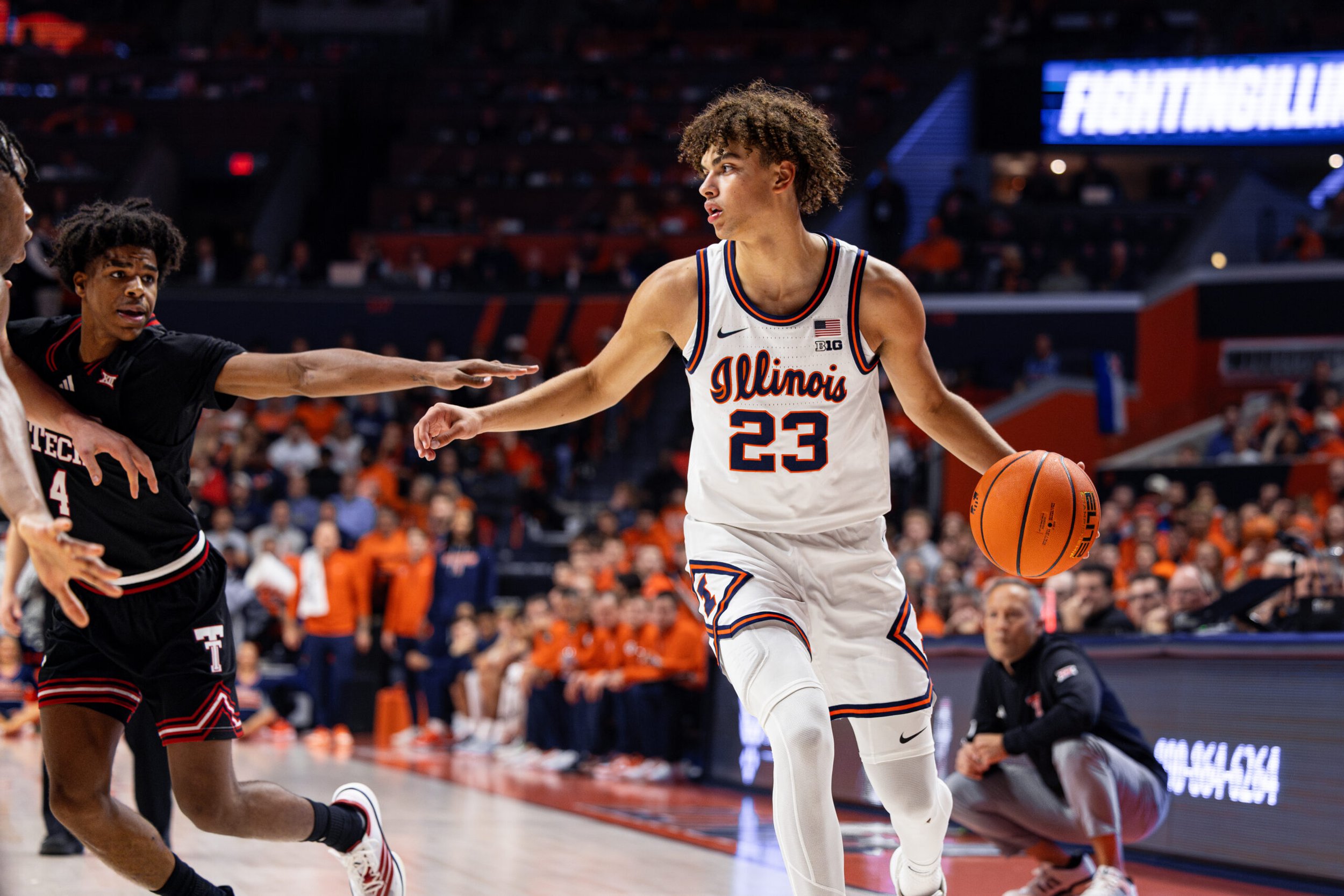
#5: The Los Angeles Clippers Select Keaton Wagler
David Pollak-@mushlik
Pro Comparison: Clippers Shai Gilgeous-Alexander
Keaton Wagler feels like an anomaly. Going into the 2025-26 NCAA season, he was no. 261 in his recruiting class and went into the season not even meant to be the lead guard for Illinois and you could see over the first few weeks. Now Wagler ended his season as one of the best scorers in the class and the most intriguing guard in this range.
Wagler over the season grew into being a true playmaker and runner of an offense. His combination of size, craft, and his own pace make him one of the most ready-made guards we’ve seen offensively. That size will also help him be a better fit in an NBA system. Due to his 6 '5 frame he’s able to bring positional versatility and his scoring and previous play before Illinois helps him know how to be a more off ball player next to more known players.
The worry that lies in an overall flawless offensive profile lies in his strength and athleticism. At Illinois he dunked the ball only once the entire season and only shot 32% at the rim. To reach his full potential at the next level, teams just need to rely on being in their system will help him gain the necessary strength to improve his driving against NBA-level bodies.
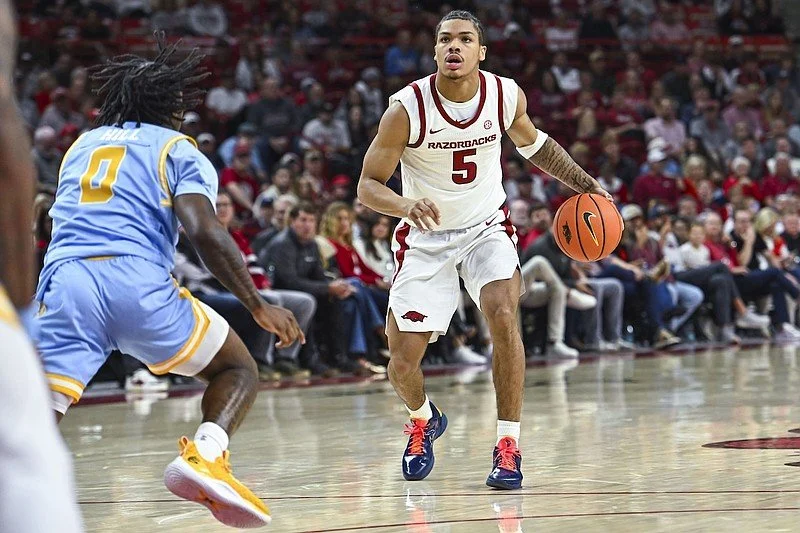
#6: The Brooklyn Nets Select Darius Acuff Jr
Hank Layton-WholeHogSports
Pro Comparison: Stephon Marbury
The most accomplished freshman behind Dybantsa, Acuff looks like a guard that’ll be an immediate help to any franchise. His biggest strength at this point is his three-level scoring he’s shown up to this point. He was efficient from pretty much at any part of the floor and was able to control the game with such poise from that ability.
Another skill that hasn’t been brought up as much is his already shown ability to take on the heavy load of an offense. At Arkansas he lead the entire country in offensive load percentage-measures the exact percentage of a team's offense that runs through a single player while they are on the floor- which showed his willingness to do everything for his team to have a chance at winning at the highest level. But that load came with a potential consequence. The defense.
At Arkansas, Acuff felt like a perfect prospect, but only on the offensive end. His defense has already been said enough, but it’s the skill that scouts and teams can see as the reason to not take a chance on him. His size and offensive load are two big factors in his struggles on that end, but there feels like a bigger reason that was seen during games. A lack of effort became a big factor in his lackluster defense.
Now all of this may not be as big of an issue in a team where he will likely not be relied on as heavily as he was at Arkansas. But the downside can be that this is just his defense, and we’ve seen that in an era where teams will try to play players off the court by keying in on one weakness. That could be the reason he’s seen less as the next big time scorer, but instead another one-way small guard.
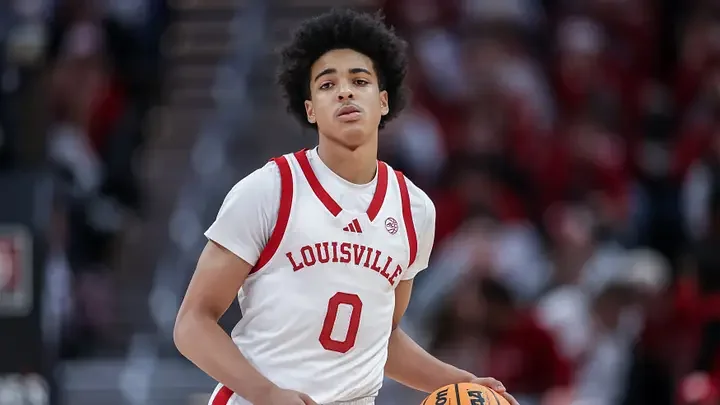
#7: The Sacramento Kings Select Mikel Brown Jr
Michael Hickey-Getty Images
Pro Comparison: All Star Version Of Anfernee Simons
While not being the ideal situation for Mikel, or for any guard, Sacramento will potentially let us see the potential swing skills that can make Mikel Brown Jr one of the best. At Louisville, Mikel showed an innate ability to be a threat from any spot around the perimeter, and while ending his season on a bit of a whimper through no fault of his own.
His best ability to this point is his combination of perfect size for the guard position, handle, and self creation. His play gives me a lot of flashbacks to Golden State era Jordan Poole. His biggest hole though on the offensive side of the ball is his ability without the ball in his hands. He has shown to be a movement shooter at times, it will be something to key in on how he will play in an offense not prioritized by only his play and gravity.
#8: The Oklahoma City Thunder via trade Select Aday Mara
GETTY IMAGES
Oklahoma City Receives: #8 Overall, #57 Overall
Atlanta Hawks Receive: #12 Overall, #17 Overall, 2028 OKC 2nd
Pro Comparison: Isaiah Hartenstein
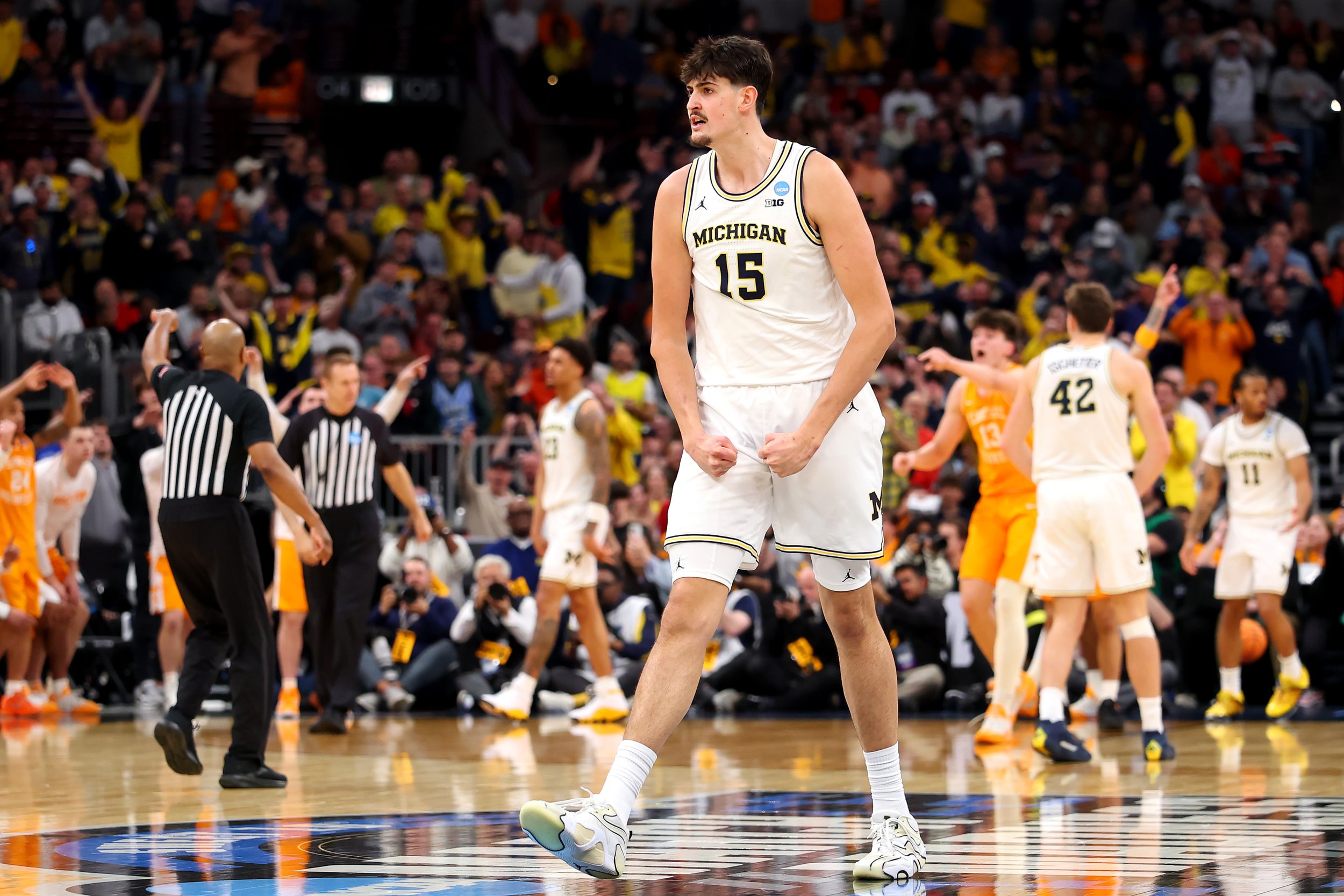
While this class isn’t loaded with talented center talent, that only makes Mara’s abilities stand out more. During his run to a national title with Michigan, Mara put on a display what could make him the perfect modern-era big. His passing for his size is unlike anything I’ve seen from bigs the past few years. An example of this is in a game vs UCLA where when doubled on the right side of the baseline, Mara has two cutting Michigan players and does a behind-the-back pass to Morez Johnson for the layup.
CBS Sports/NCAA
Mara’s concern going into the draft was his agility and overall speed against other bigs in the league. During his combine though, it was quickly realized how skilled this kid truly is. Measurement-wise he stands at 7’3” barefoot with a 7’6” wingspan to go along with it. During his lane agility test, he ranked 12th among centers with 11.47 seconds, which while sounding lackluster for a gut potentially the first big off the board, he also has a 9’9” standing reach.
All his measurements and tests seem to point to an anomaly at his size. He might never become an offensive threat outside of his passing and the occasional post-up, he has everything a team wants from a big in this era of versatility.
#9: The Dallas Mavericks Select Kingston Flemings
Jack Gorman-Getty Images
Pro Comparison: Mike Conley
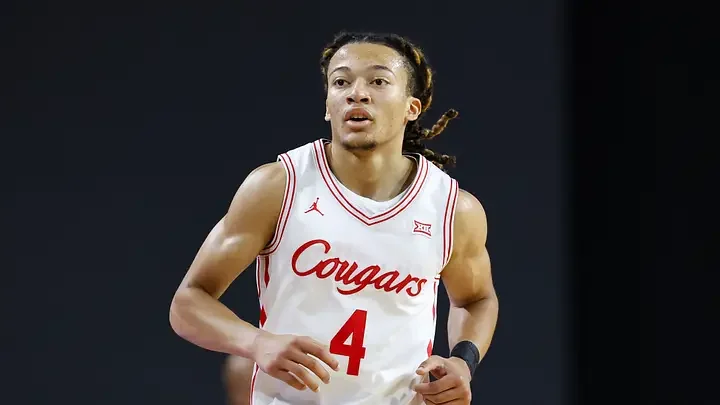
Maturity bleeds through all of Kingston Flemings game. Flemings went into his lone season at Houston as the lead playmaker of a team that was only a year removed from a national championship appearance. Along with that, over the combine and pre-draft process, that time at Houston and his interviews showed a kid that seems fit for any organization wanting an adult in the room.
Flemings at Houston showed the ability to not only create for others, but be the true runner of an offense. During his season, he had a 2.9 assist-to-turnover ratio that would put him in the top 5 for players that have played at least 30 minutes per game this season. Along with that when combining his blocks and steals (68 total with 56 steals) it totals out to more than the turnovers (66) he had this season.
Compared to the other guards in this range, Flemings feels the most sound out of all of them. WHile not having the higher ceiling as guys like Acuff and Wagler. Flemings feels like the guy who could still be a capable rotation player even past his original contributions.
#10: The Milwaukee Bucks Select Nate Ament
Angelina Alcantar-Imagn Images
Pro Comparison: Zacharie Risacher
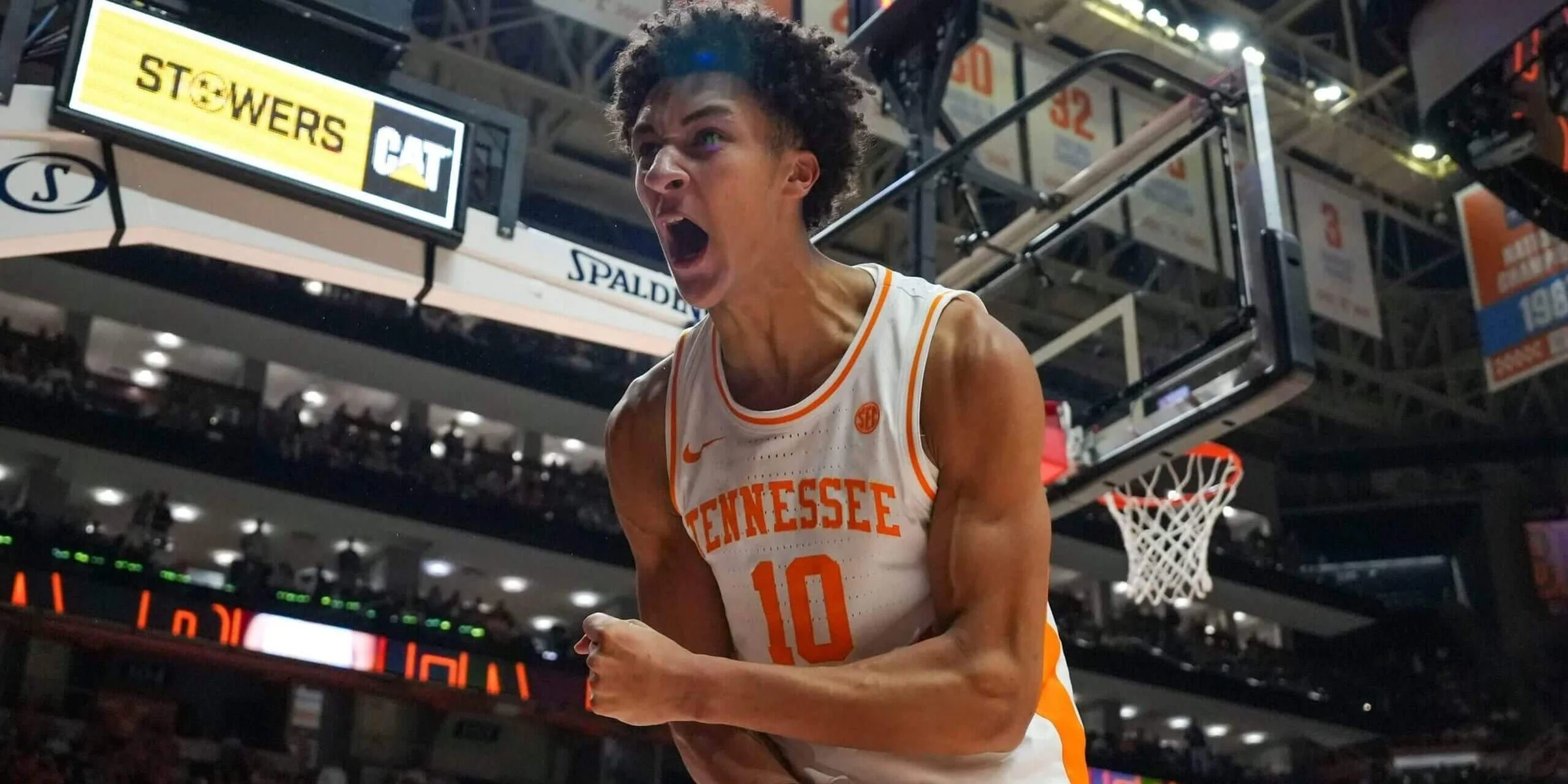
Jon Horst is having dreams about this guy. Ament fits perfectly in who Milwaukee has tended to target in recent drafts. Relatively unproven players with upside that if reached, could be incredibly impactful (Basically another Giannis). Ament fits this mold to a tee.
At Tennessee to say Ament was underwhelming feels like an understatement. A late growth spurt combined made Ament feel like another version of the tall-wing shooters that have become more prevalent in today’s game.
During his season however, his struggles come from the place that feels the most integral to a developing shooter. The restricted area. His first step isn’t as fast as you’d hope to be and for someone his size at 6 '10”, he only shoots 46.7% from the rim in halfcourt possessions.
The reason why this becomes concerning is he isn’t an elite shooter at this point to make up for this lackluster rim shooting.
If any of the players in this draft feel like a true ‘boom-or-bust’ this is the guy.
#11: The Golden State Warriors Select Brayden Burries
Aryanna Frank-Imagn Images
Pro Comparison: Jalen Suggs With Better Shooting
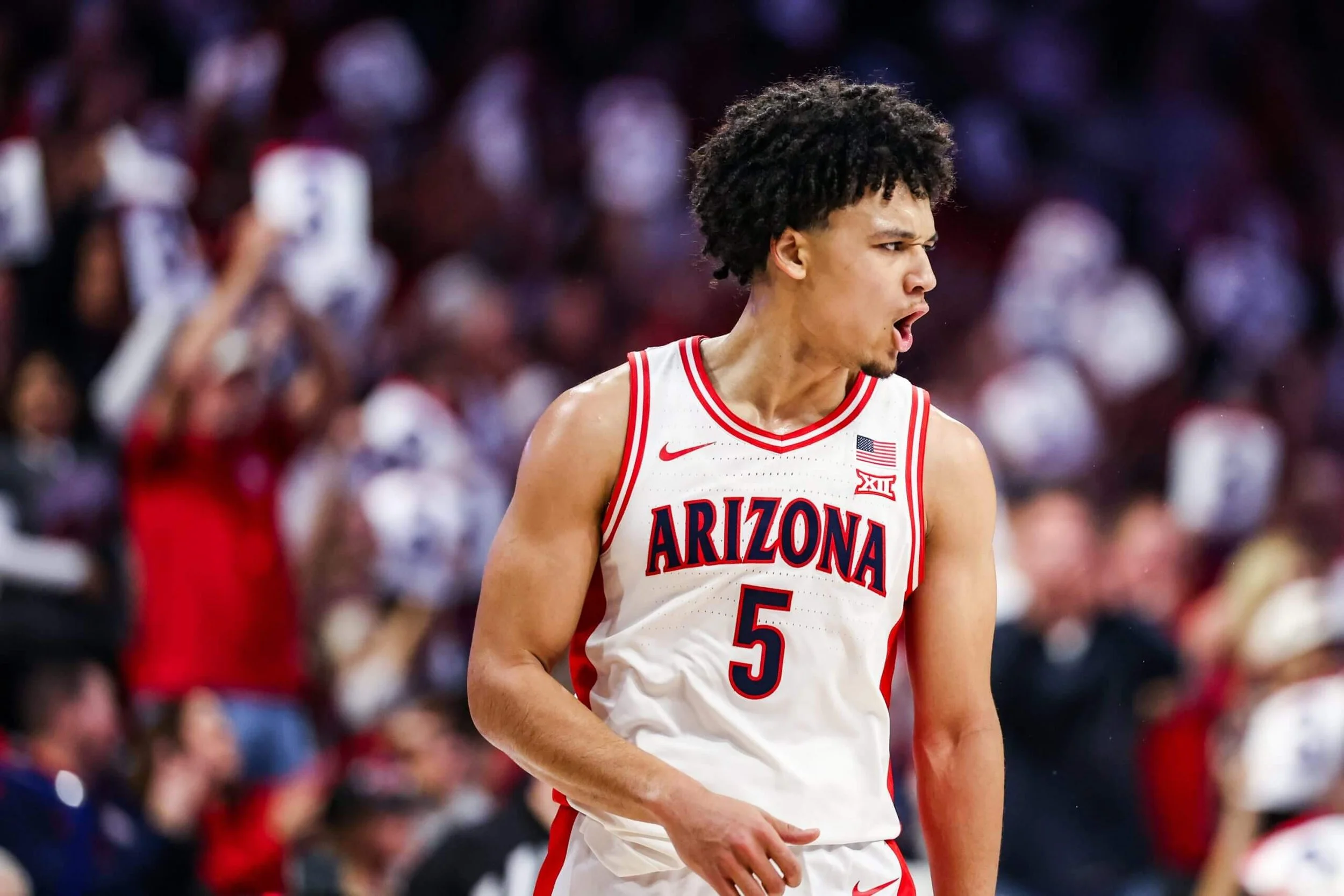
I’ll just say from the start, Burries is my favorite player in this class. Of all the guards in this range, Burries is the most complete of all of them.
At Arizona, his combination of positional size, defense, and shooting created a player that can fit on pretty much any team. While being significantly older than the other freshman in this class, he feels like the player who can impact the most from day one.
Burries best ability though lies in his defense. With a positive wingspan measurement, Burries has the positional size to cover both backcourt players. But the big reason for his defensive success just seems to be the competitiveness. While there are just great defenders, the ones who take over are the ones who can add competitive skill into it. At Arizona, while not being tasked often with the best front court players to guard, he showed an ability to easily switch on to multiple different players and find success.
Burries offensive game is a little more straight forward. His ability as a floor spacer next to a more ball-dominant guard seems to be the best potential use of his game. The ideal hope is he becomes a player who, while not having the ball all the time, will be able to run the secondary offense consistently for the team. While having probably the lowest ceiling of all the guards in this range, he also has the highest chance of being a 10 year plus starter.
#12: The Atlanta Hawks Select Labaron Philon Jr
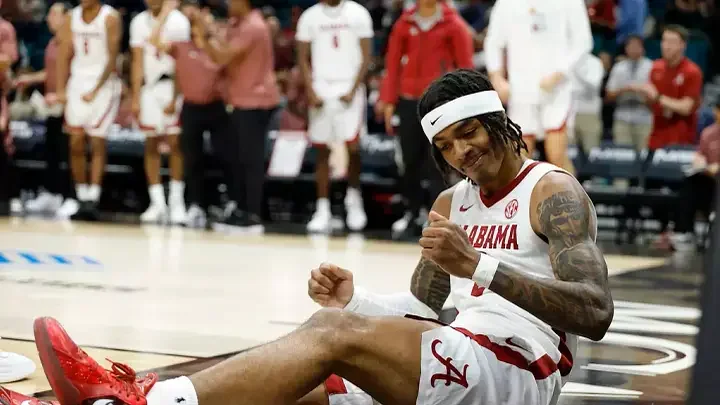
Crimson Tide Photos / UA Athletics
Pro Comparison: Dejounte Murray
My favorite player last year before his return to Alabama, Philon completely did a 180 on his style of play compared to last season.
Last season with Grant Nelson, Mark Sears, and Chris Youngblood on the team, Philon fit as an off-ball two guard with a higher focus on defense. Racking up a 2.8 steal % and a 2.2 block %. In his second season however he created an entirely new role for himself.
After the departure of Sears, Nelson, and Youngblood, Alabama lacked a new leader of the team, and Philon took that role immediately. In his sophomore season, while taking on a heavier offensive load than he needed in his freshman year, it wasn't even an issue in his efficiency.
His 14.7 shot attempts per game was 98th percentile in all of college basketball. Along with that his three pointer, free throw, and rim attempts all were ranked at least 97th percentile.
His biggest weakness that has seemed to follow is his unknown role in the league and his size. While I think he will succeed in the league, Philon’s role this year made it more questionable on what his true long-term role will be.
For me, what he showed his first two seasons showed an easier ability to be either a lead guard or complementary to whatever team is wanting from Philon. His size and overall strength is more of a true question mark. Only weighing 176 pounds, he seems to find a way to match the physicality of most defenders he goes against.
Defensively while being a statistically and on-the-screen better defender his freshman season, he still remained a positive defensive player in a greatly expanded role. While having less steals than his freshman year, Philon ranked second in the SEC in box plus/minus.
In the NBA, I think the mystery of what kind of guard he will become is up in the air. There’s not a doubt whatever role he finds he will be successful and have an immediate impact in that role.
#13: The Miami Heat Select Yaxel Lendeborg
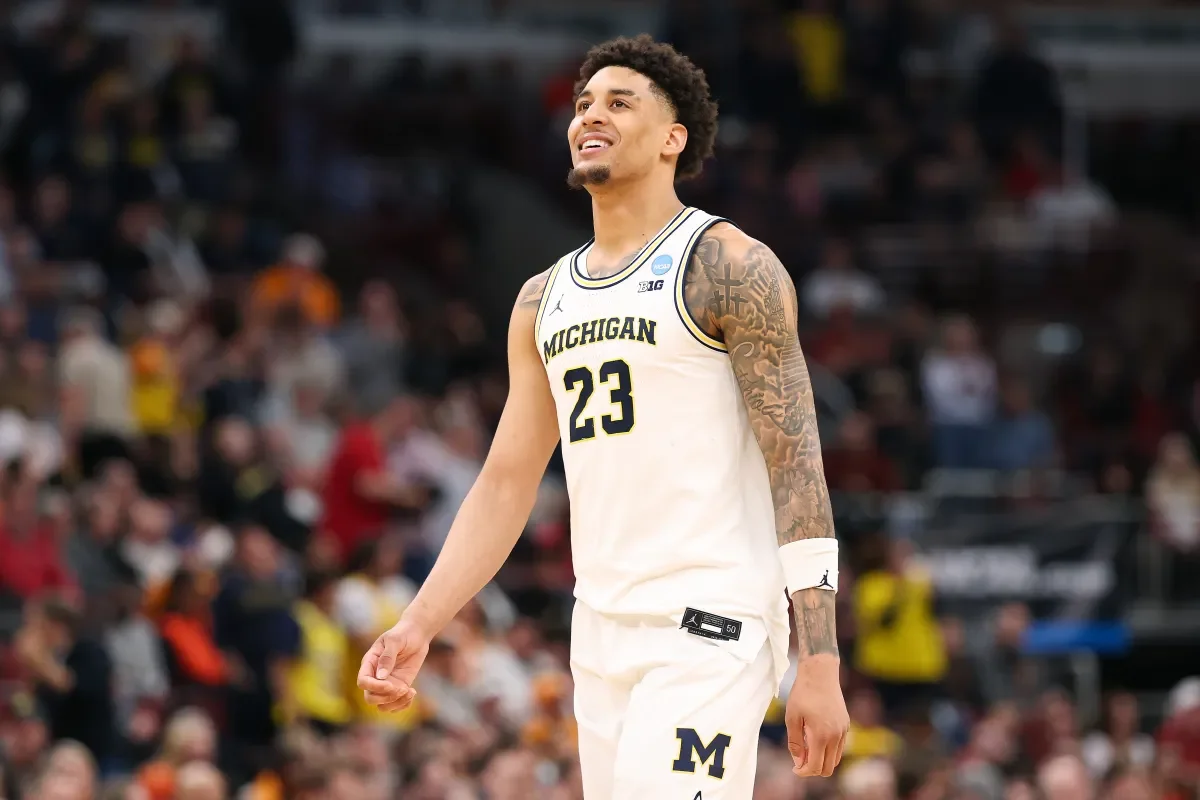
Getty
Pro Comparison: Chandler Parsons
Coming off winning the national title, Lendeborg stock can't be any higher. While many things have been said about his already known skills. His ability as a playmaker, secondary creator combined with his ability to defend top players like he did game in and game out for Michigan. The main concern for him however, is his age.
While being a valid argument given he’s 24, he was also a late bloomer. Joining a JUCO college at 20 he is very Pascal Siakam like in his journey to Michigan. After being a 6’9” rim-running four moved to more like his game now just way less developed. Once going to UAB and now Michigan, Yaxel has showed an ability to improve every year of his career so far. While his age is a concern, he has given no reason so far to make him feel like a player who will only be as good as what he originally shows.
His role in the NBA, I feel will be very similar to Michigan but just less offensive reliance on him. He will still likely be one of the primary defenders against other opponents. I’m interested most in how his handling will translate most to the next level. As his dribbling is far more higher than expected using way less of his core base to dribble the ball up.
In all the concerns on him, none seem to be with his game. Players as versatile as he was are the kind of guys who are sought after in this league now.
#14: The Charlotte Hornets Select Morez Johnson Jr
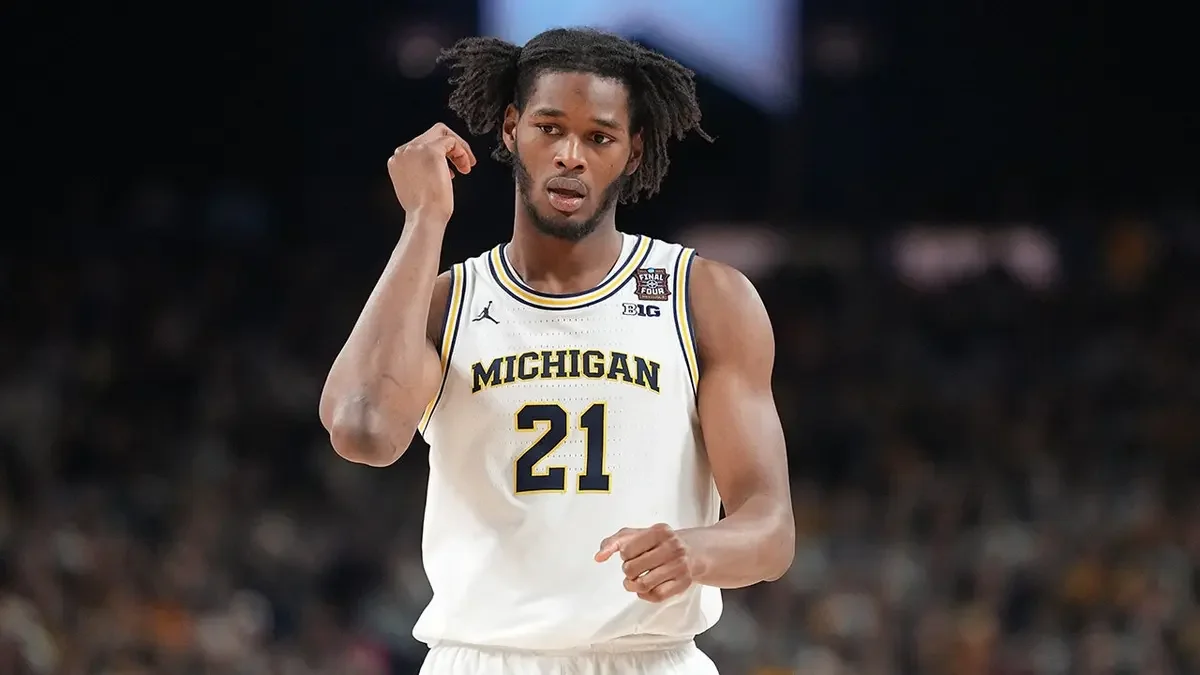
Erick W. Rasco-Sports Illustrated
Pro Comparison: Isaiah Stewart With Less Rim Protection
Morez was in the best kind of situation at Michigan. Their jumbo-sized frontcourt with Johnson, Mara, and Lendeborg gave Morez the ability to focus on his best trait: his defensive ability. At his size, Morez is able through a combination of good foot speed and awareness is able to be extremely comfortable guarding any kind of player on the floor.
The main question with his game lies in how his offensive game will be built on.
His perimeter shooting is a question mark right now, but even at his best I feel like he’s gonna just be a mid 30s percentage three point shooter. Offensively, while having the size of a four plays very much like a center. But his defense is great enough to let teams give him time to develop his offensive game.
At Michigan, Morez averaged 1.1 BPG, 0.7 SPG, a 4.8 BLK%, and 4.4 DBPM. For most of the season he was the best defender on an elite defensive Michigan team filled with capable defenders. Opponents shot 33% from the field when guarded by Morez, and 25% on all jumpshots. While he is a pure talent defensively his swing factor on this end will be his rim protection. While being a fine enough protector right now, the hope is he will become a great weak side protector alongside another center.
Guys like Morez and previously Lendeborg are the guys who have swung playoffs series just from their impact.
#15: The Chicago Bulls Select Jayden Quaintance
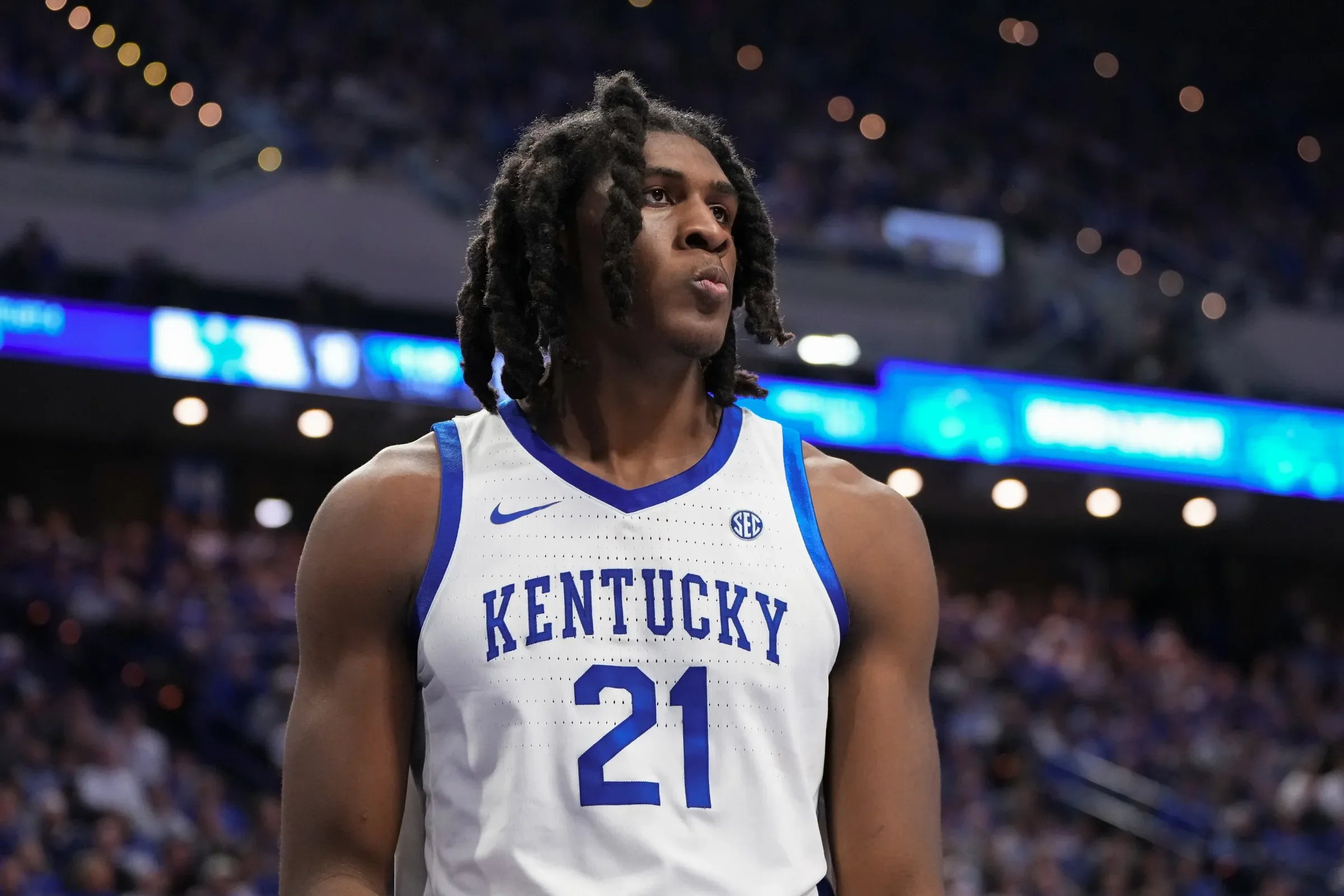
Getty Images
#16: The Memphis Grizzlies Select Cameron Carr
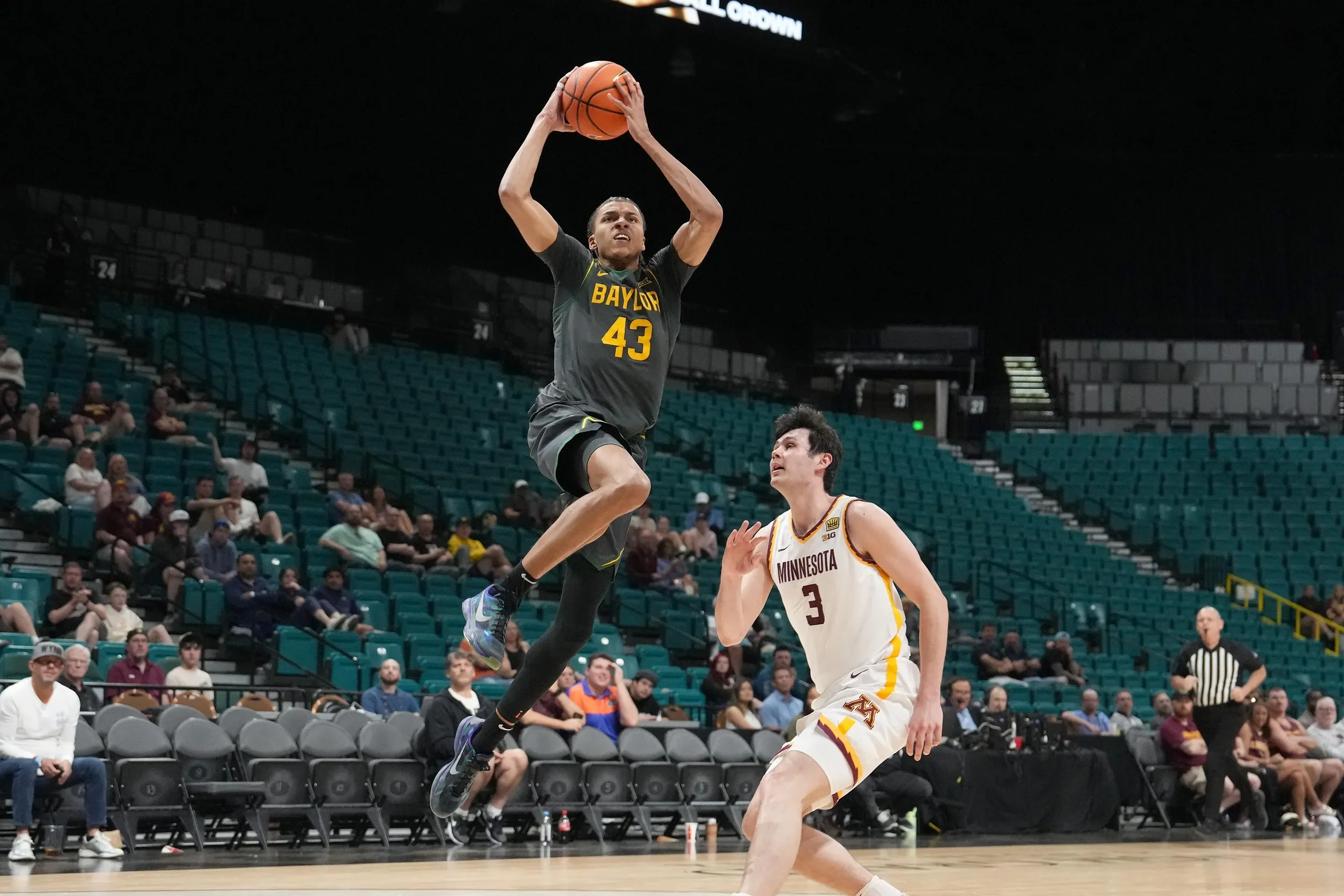
Mitchell Layton-Getty Images
#17: The Atlanta Hawks Select Hannes Steinbach
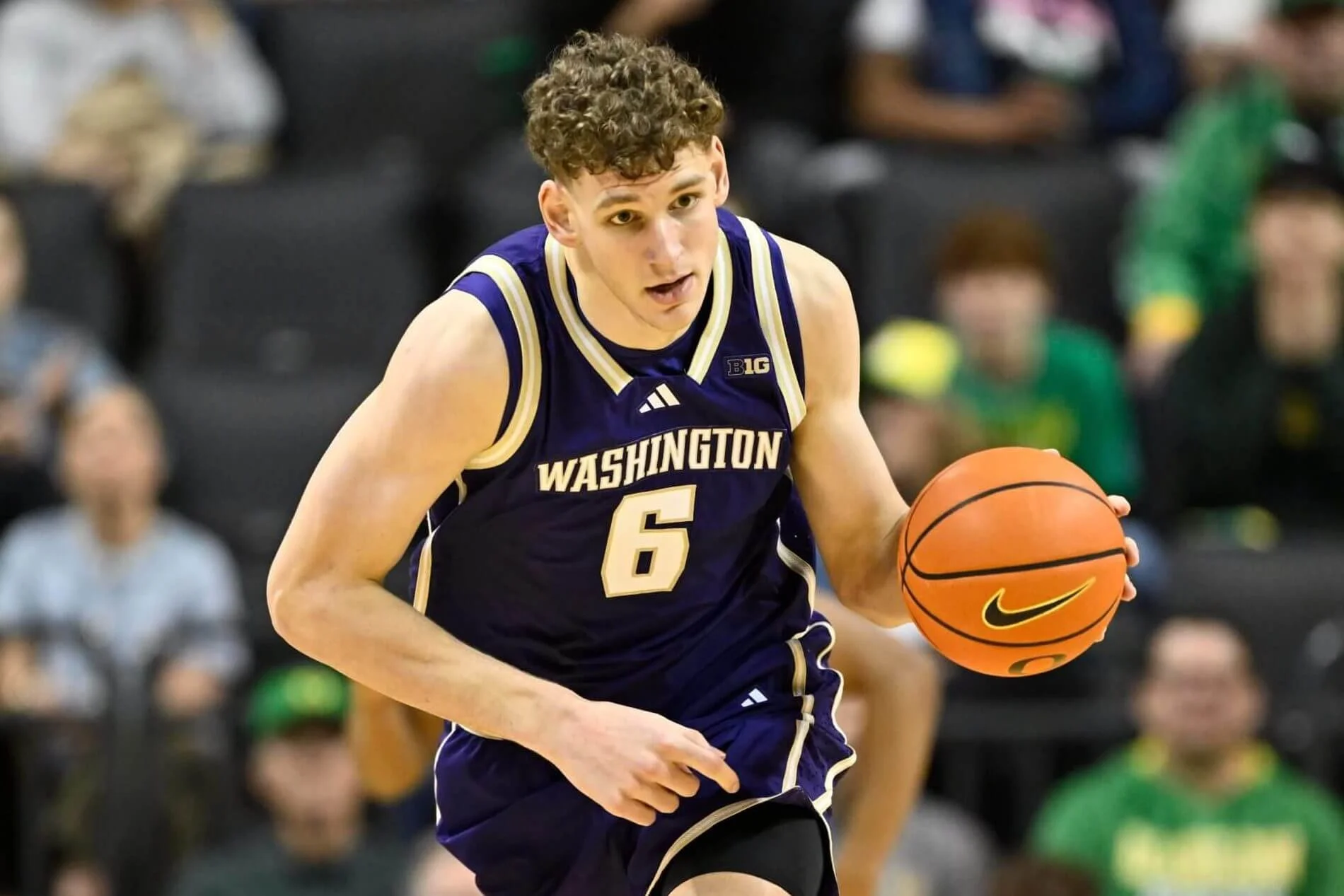
Craig Strobeck-Imagn Images
#18: The Charlotte Hornets Select Dailyn Swain
UT Athletics
#19: The Toronto Raptors Select Ebuka Okorie
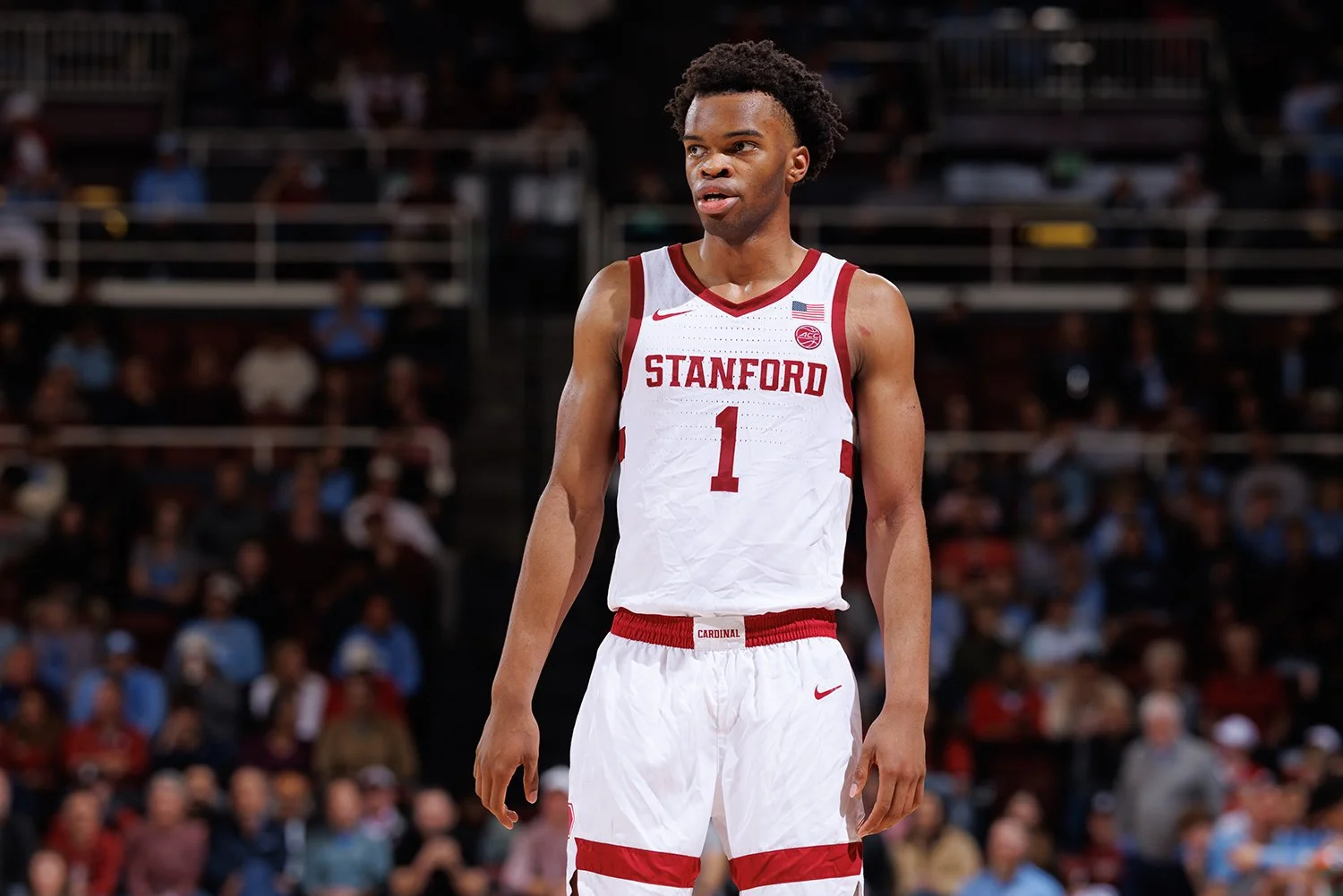
Stanford Athletics
#20: The San Antonio Spurs Select Karim Lopez
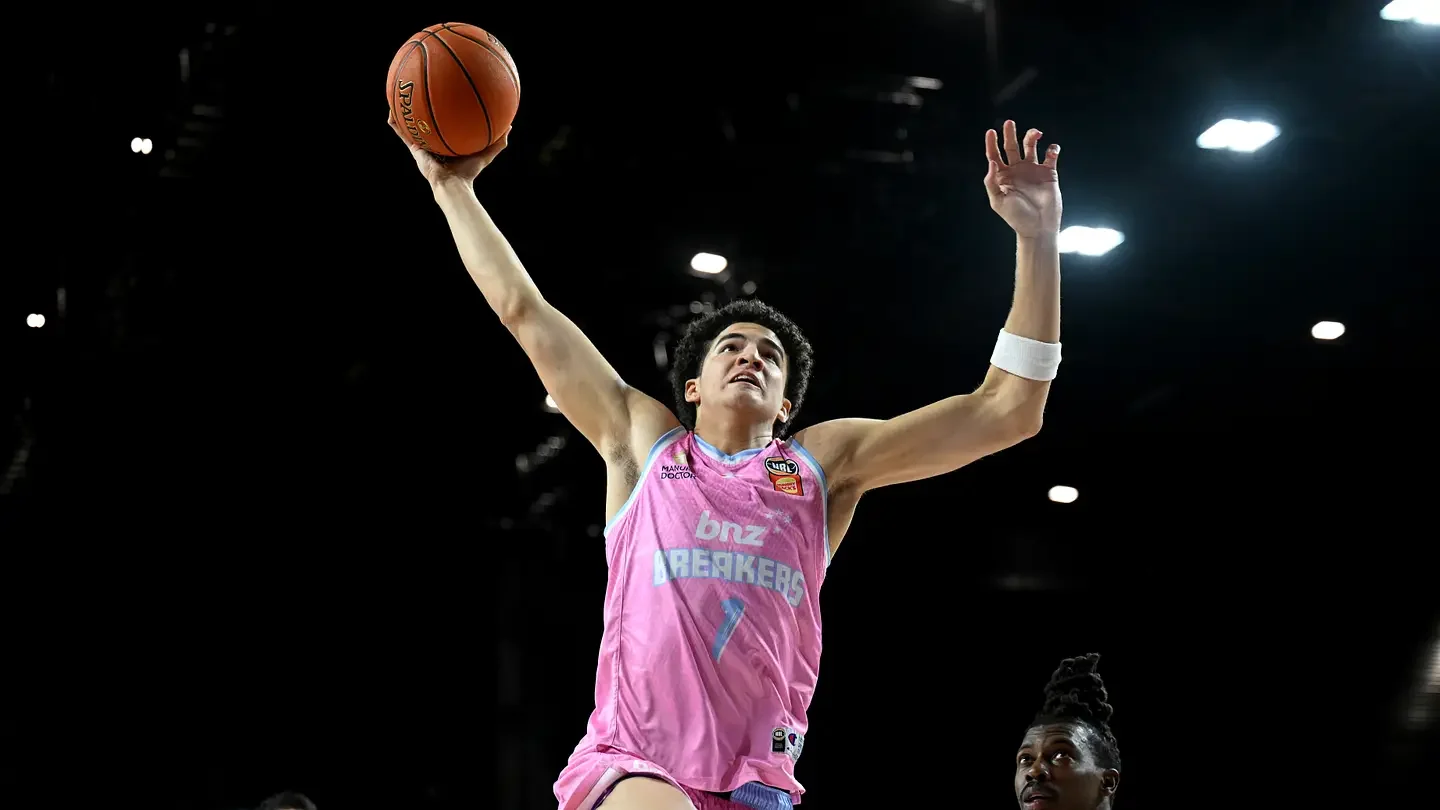
Joe Allison-Getty Images
#21: The Detroit Pistons Select Isaiah Evans
Duke Athletics
#22: The Philadelphia 76ers Select Chris Cenac Jr
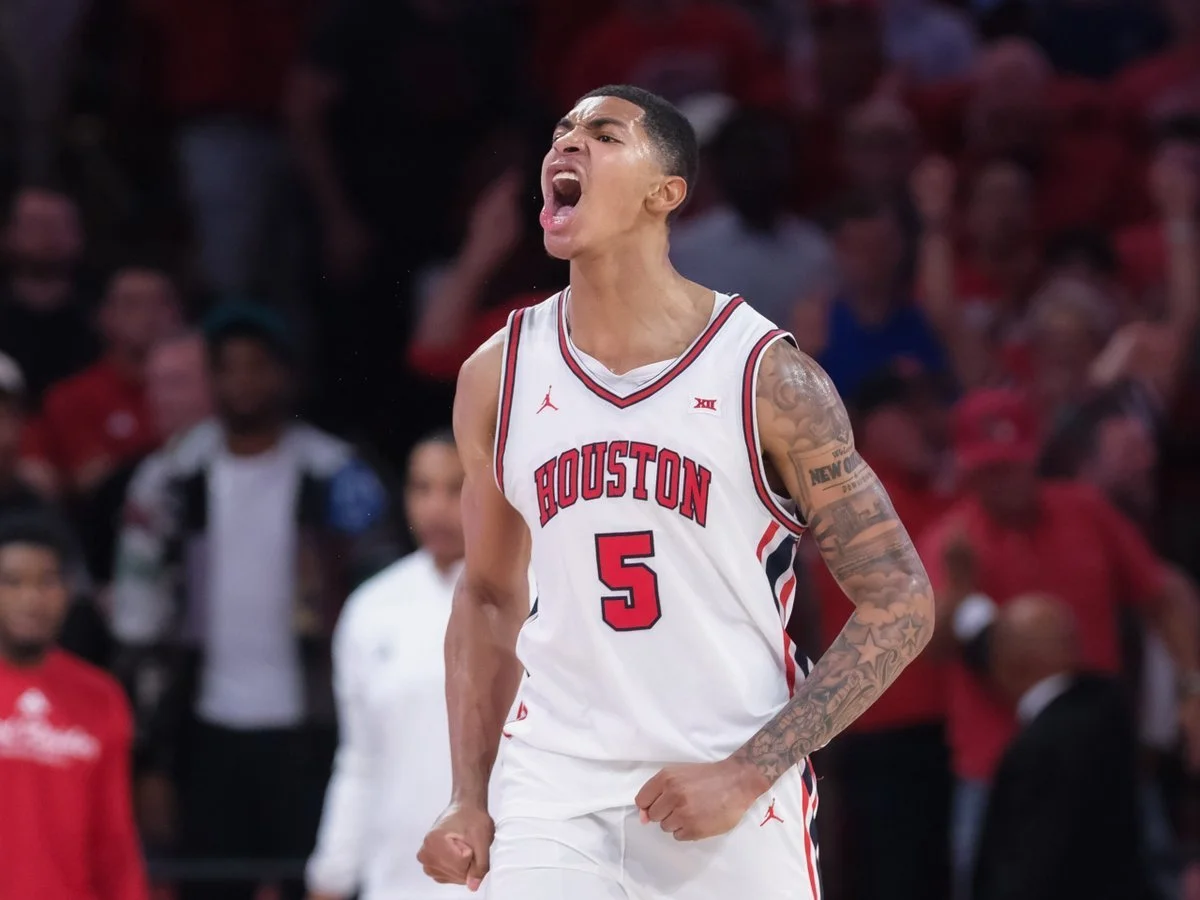
Rio Giancarlo-Desert News
#23: The Atlanta Hawks Select Allen Graves
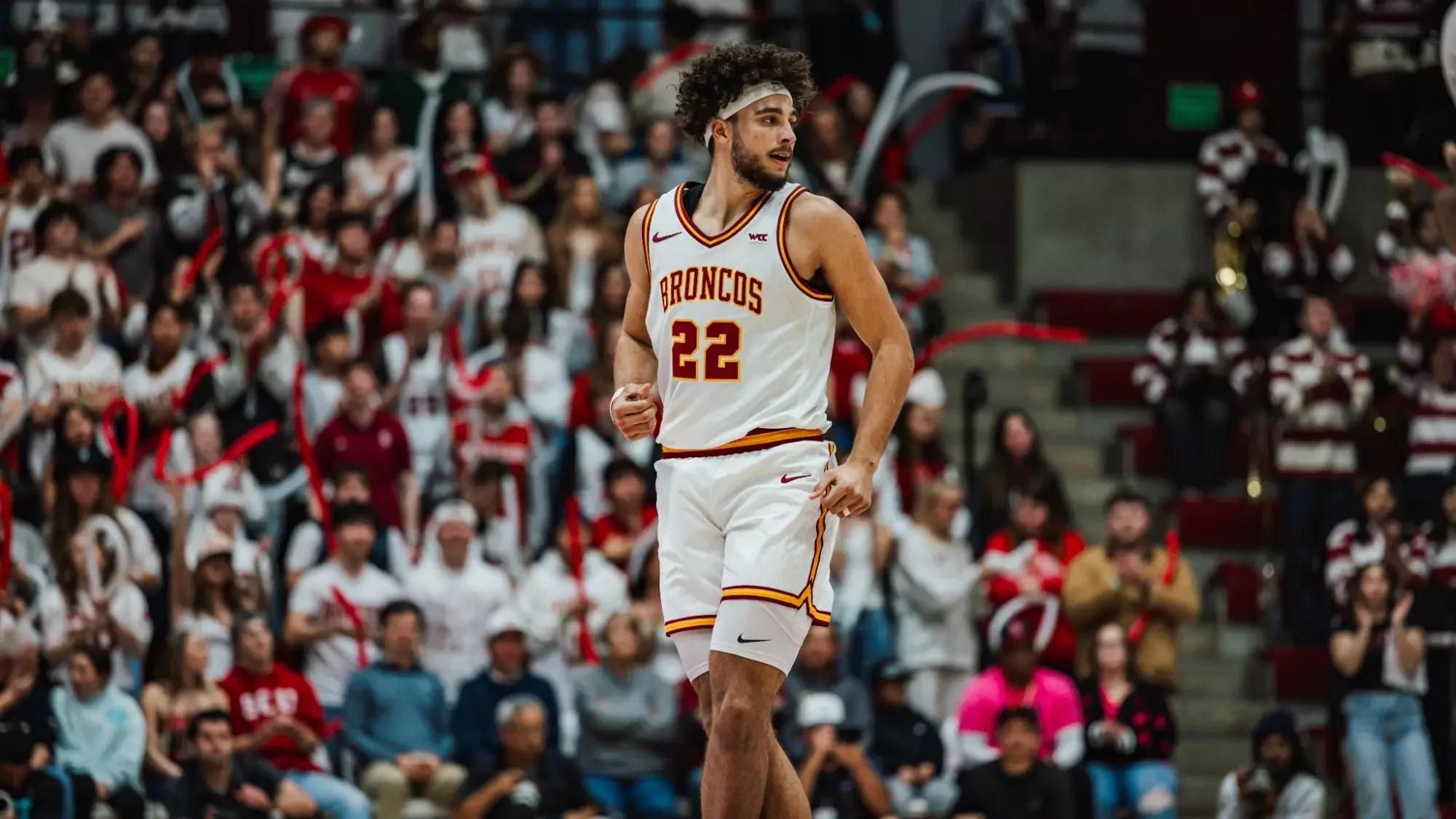
Santa Clara Athletics
#24: The New Orleans Pelicans via Trade Select Zuby Ejiofor
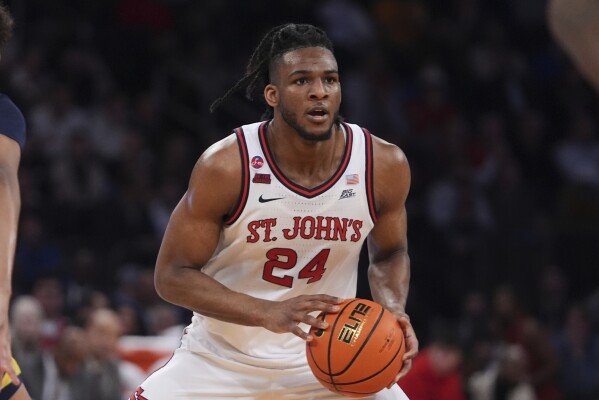
Frank Franklin II-AP Photo
New York Knicks Receive: Saddiq Bey
New Orleans Pelicans Receive: Tyler Kolek, Pacome Dadiet, #24 Overall
#25: The Los Angeles Lakers Select Koa Peat
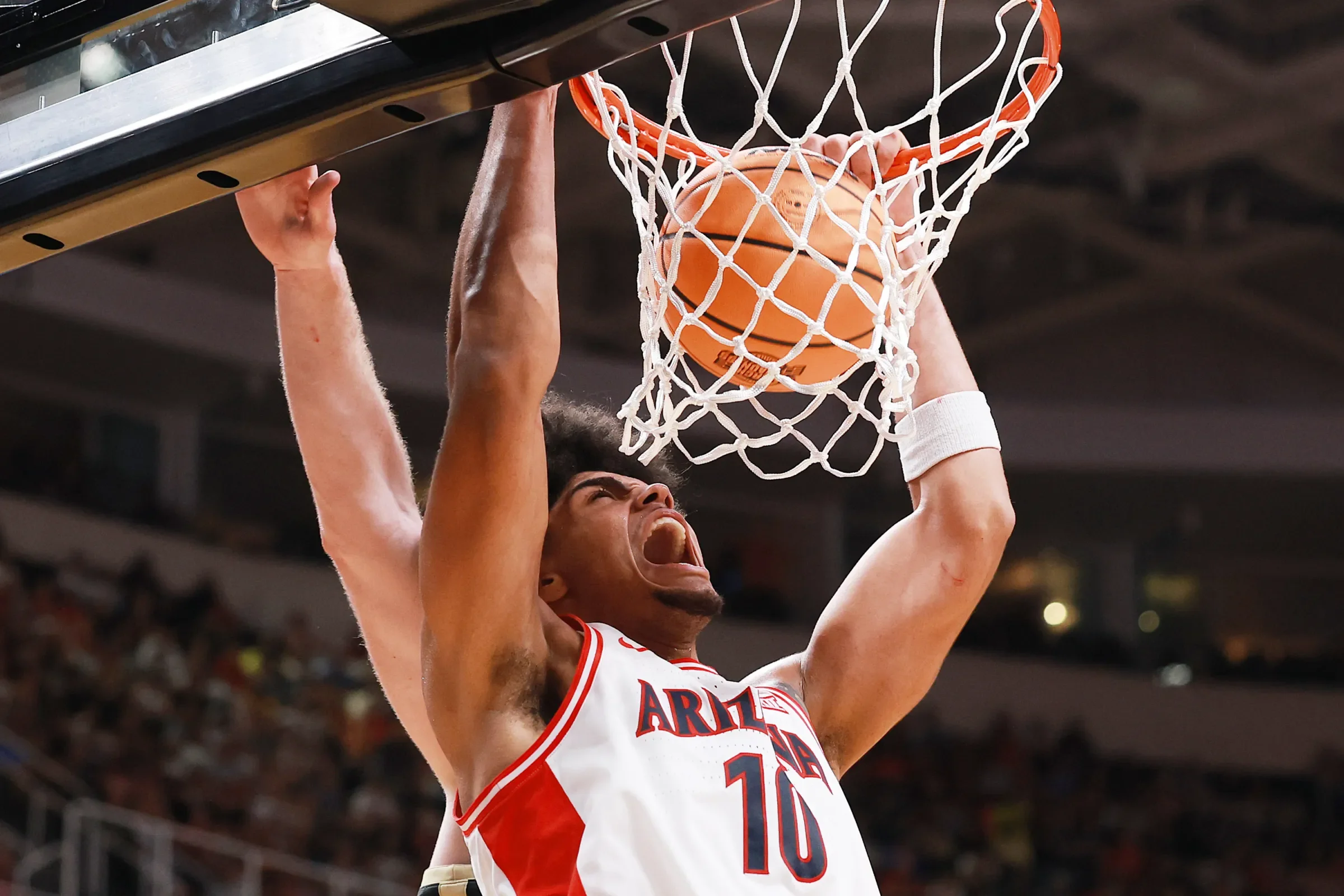
Ezra Shaw-Getty Images
#26: The Denver Nuggets Select Christian Anderson
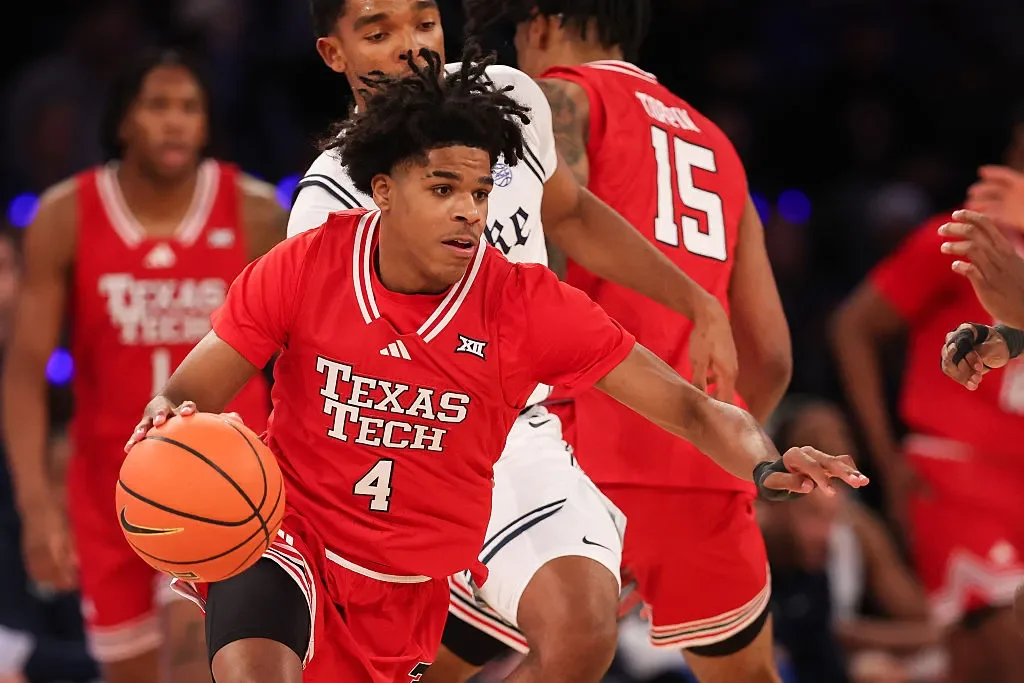
Ishika Samant-Getty Images
#27: The Boston Celtics Select Henri Veesaar
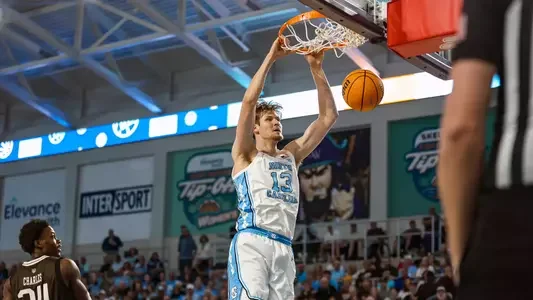
UNC Athletics
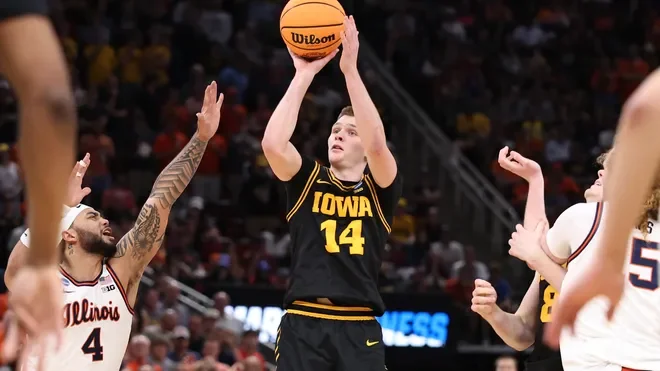
#28: The Minnesota Timberwolves Select Bennett Stirtz
Troy Taormina-Imagn Images
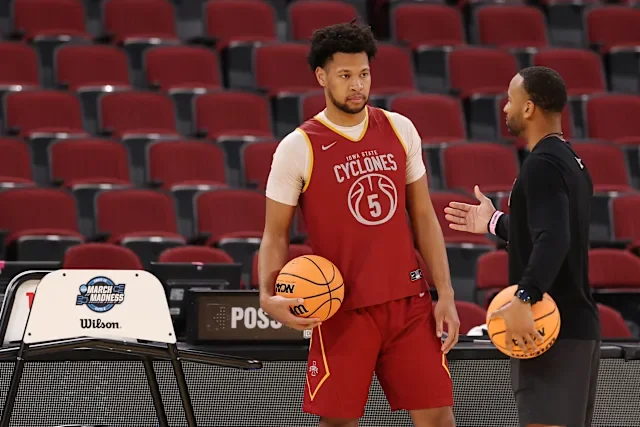
#29: The Cleveland Cavaliers Select Joshua Jefferson
Michael Reaves via Getty Images
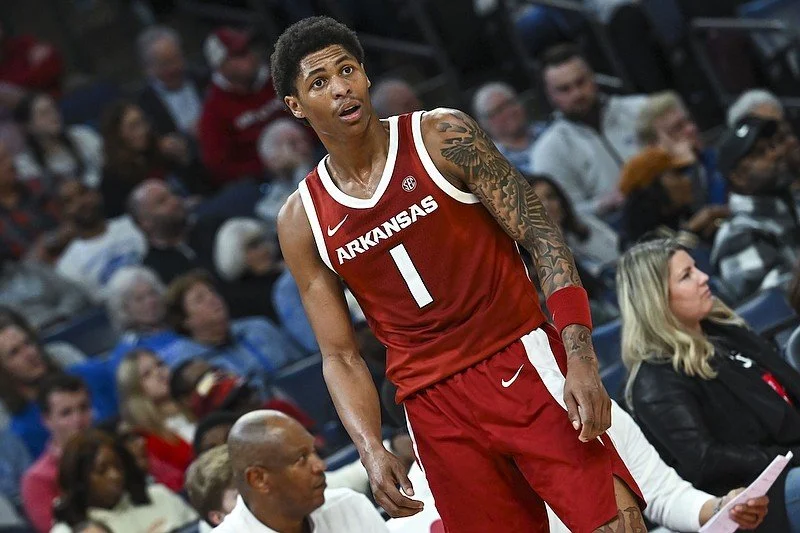
#30: The Dallas Mavericks Select Meleek Thomas
Hank Layton-WholeHogSports