
Summer Lamont-Icon Sportswire, David Berding-Getty Images, Getty Images, Associated Press, Ed Zurga, IMAGN IMAGES, AP Photo, Robert Gauthier-Los Angeles Times
The NFL is in transition.
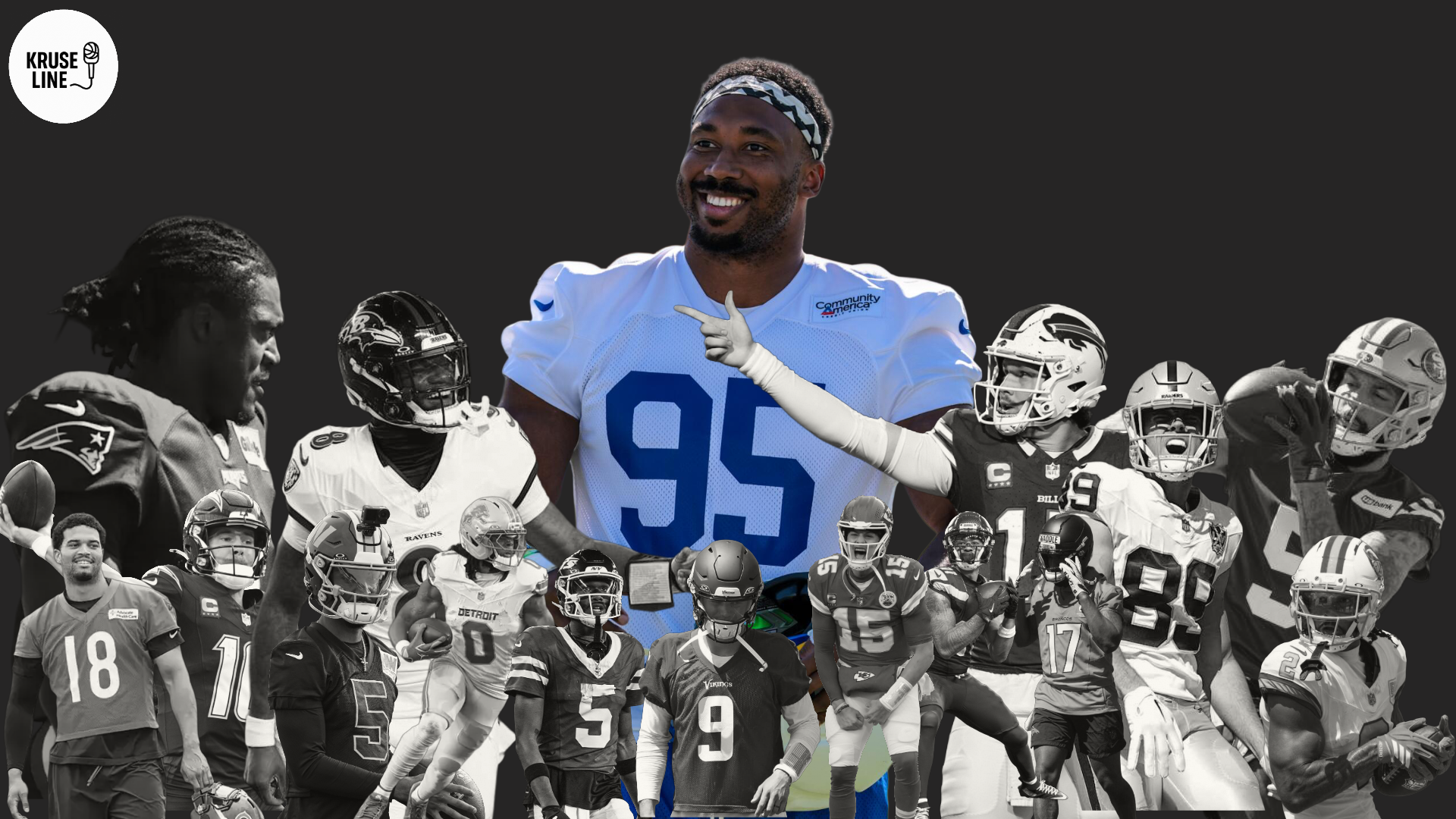
After nearly a decade of football defined by Lamar Jackson, Patrick Mahomes, and Josh Allen, we’re slowly moving into a new era of NFL dominance. The problem is we don’t know who will define it.
Players like Justin Herbert, Drake Maye, Caleb Williams, and Jaxon Smith-Njigba showed flashes last season as potential faces of this next era. But at the end of the day, it starts with who’s holding the Lombardi by the end of the season.
Tier 8: March For Arch, Don’t Score For Moore, and So On
Mitch Stringer-Imagn Images
#32: Arizona Cardinals
After seasons defined by disappointment given expectations, Arizona has left the Kyler Murray era behind. Now with new head coach Mike LaFleur, they’re gonna be bad, but on their terms this time.
LaFleur, while acquiring a team at the start of a long rebuild, has some room to play with. In his West Coast-style offense that’s defined his schemes, he'll likely struggle the most with that scheme when in a division with two masterminds of that system.
LaFleur has enough talented skill players to see who can fit his style. Love, Michael Wilson, and Trey McBride may not be the backbone of a great offense in the current moment, but can be the roots of a future offensive juggernaut.
Even in a division that feels like three dragons with the Rams, Seahawks, and 49ers, and Arizona being the one toddler, Arizona can use this knowledge of coming from a disadvantage to give the best chance for the future. While most players on Arizona will still pour everything onto the field, coaches and younger players can be given zero expectations to change the world, unlike the previous years.
While having bad years before, Arizona begins this new rebuild with the hopeful pieces that can stay past the bad years.
#31: Miami Dolphins
Another team that moved on from their quarterback, Miami seems more competitive than previously thought. The biggest issue with Miami over the past few seasons was that, despite overwhelming talent, they often felt like a team never ready for the biggest moments. Now, with head coach Jeff Haffley, this team looks to be changing that identity. No longer the stylized and often called ‘soft’ Dolphins, but now a Packers-filled retool.
This team will be terrible, but this team feels closer to a New Orleans-type season last year than a Jets-like season.
Malik Willis at quarterback is relatively unknown but gives me confidence given he’s on a team with high-level staff members in Green Bay who likely saw him every day and know him better than anyone. The issue offensively, though, will be that outside of Devon Achane, Willis has rookies and Jaelan Tolbert as your top receivers. Though it was clear this was gonna be a long rebuild, they might already start with giving their quarterback nothing to work with. The hope is that Bobby Slowik, with his experience in Houston, can revive this Miami offense despite their clear talent disparity.
Compared to the offense, the defense has far more foundational pieces to be a competent unit this season. Players like Chop Robinson and Jordyn Brooks could headline a unit along with Haffley that, with the culture reset in Miami, can’t be a walkover every week.
That being said, this team will not be very good, but for what Miami has put out the past few years, that might be the best thing.
#30: New York Jets
Zero interceptions. If you combined all the stat lines for quarterbacks against the Jets, you would see the greatest season from a quarterback in history (36 passing touchdowns and 0 interceptions).
A team that only two seasons prior had a defense and decent enough skill players to be a threat in a weak AFC East now is looking at another long rebuild; the only difference, though, is in how the execution of this rebuild has begun.
While Aaron Glenn joined GM Darren Mougey as the tentpoles of this rebuild, Glenn feels like the easiest bet to be fired before even Halloween. Being known for his ability to elevate a Detroit defense that lacked its star players at the end of his tenure is now wanted to be a John Harbaugh-like role in New York. The problem with that idea is that the people hired to run the defense instead helped with the massive achievement of zero interceptions.
Now Glenn is taking back the defensive game-planning, and while that will help, it only feels like a matter of time until we get another interim Jets coach. The hope clearly won’t lie in Glenn’s future, but in Mougey’s ability to nail the 2027 draft.
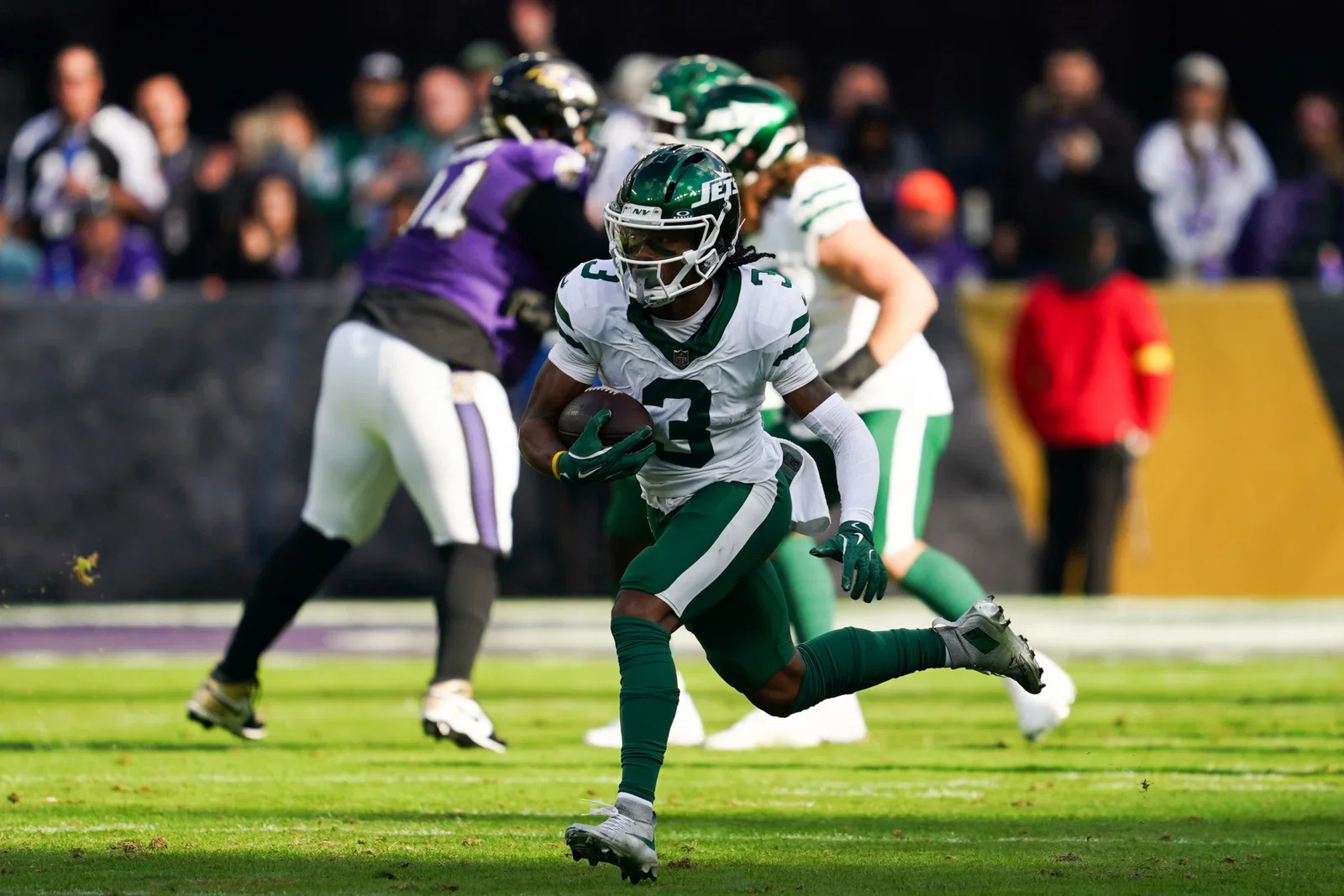
In Mougey’s first season as the Jets GM, he’s come in with a clear plan; the quarterback dart throw every time clearly hasn’t worked. Mougey instead used the 2026 draft and the trade deadline as a way to acquire the skill players that can make the quarterback’s job easier. Kenyon Saddiq, while feeling congested with second-year tight end Mason Taylor, gives two reliable pass catchers to a quarterback early on.
Along with Saddiq, Omar Cooper showed at Indiana to be a great yards-after-catch receiver who can turn an eight-yard pass into a fifteen-yard gain. That quarterback isn’t here at the moment, but the three draft picks in 2027 give New York their best chance in years, along with this class being seen as the best class in years. For now, however, Geno Smith feels like a good veteran to develop and give the team a (somewhat) reliable passer.
With New York’s lackluster quarterback selections, it not only leads to a lackluster offense, but also never gives New York a proper look at who can be long-term pieces on this team outside of Breece Hall and Garrett Wilson.
Geno was bad in Las Vegas, but going from a coach who at least has coached NFL offenses in the past few seasons, Frank Reich, to an offensive staff with college coordinators and nepo babies is a plus. Along with that comes a young offensive line that, even with their youth, is better than Las Vegas last season.
This team will no doubt be bad, but hopefully this turns into a hopeful bad season and less like a zero-interception kind of bad.
#29: Cleveland Browns
Despite being very deep into their March for Arch campaign, Cleveland does have the bare bones of a competitive roster; it’s just a shame the best option is Pro Bowl quarterback Shedeur Sanders.
Looking at the 5-12 record last season, there were still positives to take outside of the obvious Myles Garrett record, which, looking back, was his last favor to Cleveland in their deal to keep the Browns somehow relevant.
Besides Garrett, players like Denzel Ward, Mason Graham, and Carson Schwesinger, along with Jim Schwartz, helped build one of the better defenses in the league, showing what a Ferrari in a trailer park really looks like. The difference, obviously, is Schwartz's departure following a weird head coaching search and Garrett's departure, which brought Jared Verse in return.
This defense will not hit the heights that it hit last season, but a core of Verse, Graham, and Schwesinger as your line, with what Verse has shown to this point, can only give optimism. It’s great that the defense brings optimism because the other side of the ball brings very little. The only thing the offense shows is Deshaun Watson as the Browns’ equivalent of the 49ers substation, slowly destroying the vibes of every skill player.
The good part is that there are finally players that might break the curse Deshaun seems to put on being in the Browns building.
Offensively, besides a walking substation in Deshaun Watson, being healthy for the first time in two years, Cleveland is looking at a bright future, something that has lacked since Deshaun’s presence was felt in Ohio. Outside of the Denzel Boston buzz that has been rampant throughout training camp, new coach Todd Monken feels like the perfect ‘We start winning after you’ coach.
Monken feels like the old veteran coach who could build the habits of Cleveland’s first capable offense since Baker was there. The hope for players like Boston, KC Conception, and Harold Fannin Jr is that they show enough in Monken’s offense to show what bringing in competent play under center would be. For now, though, hopefully you’re 4-3, and Mac Jones comes in and shows what the future of Cleveland would be if they get a real quarterback in the building.
Tier 7: Bad But Respectful
Al Bello-Getty Images
#28: Tennessee Titans
After two seasons filled with Brian Callahan's missteps and constant reminders of the mistake of trading AJ Brown and firing Mike Vrabel, Tennessee seems to be stepping in the right direction. With new head coach Robert Saleh, Tennessee is bringing something they haven’t had since Vrabel: stability. Though Saleh’s tenure with the Jets was underwhelming, it also seems to be another addition to the long story of why the Jets are the worst franchise in football.
With Saleh, Tennessee not only gets a needed adult in the room, but a guy who has shown to elevate defenses consistently, even with lackluster talent. Last season, for example, San Francisco not only lost their top two defensive players, Fred Warner and Nick Bosa, but also had an injury report longer than a CVS receipt for a tube of toothpaste.
Despite that disadvantage, San Francisco remained competitive on that side of the ball until the pure talent and better health of other teams just became too much. Along with Saleh, new offensive coordinator Brian Daboll seems to be just another step toward stability in Tennessee.
As a head coach, Daboll was disappointing at best. Constant blown leads and lack of detail defined the Giants’ inability to become a true contender in the NFC East. As the coordinator, though, Daboll has shown an ability, like Saleh, to elevate talent, but unlike the defense, Daboll has shown an ability to constantly elevate the quarterback of whatever team he’s coached for.
With Ward, even though last season was a mess, more so due to Tennessee’s incompetence, showed great arm strength combined with improvised play ability. Now, with not only Daboll helping him further his development, but with Wan’Dale Robinson and Carnell Tate on the team, Ward is now given a roster to really show if he is the guy to be the leader of another good Titans team.
Within Tennessee’s offseason, it feels like a theme of using talent that might have disappointed in prior coaching jobs, but are talented enough to get a second shot. This season, the Titans still might not be a threat in the playoff picture, but with Saleh and Daboll, they are bringing in the right people to make Tennessee a consistent playoff team in the future.
#27: New York Giants
Throughout Brian Daboll’s tenure with New York, it was filled with losses and blown leads. Now they have brought in another coach, John Harbaugh, who has lost just as many leads as Daboll.
Though I think Harbaugh is a step in the right direction for New York, there are clear worries with his hiring. One of those worries is the Ravens’ overall lack of regret about letting go of Harbaugh, as well as the injuries that seemed to follow Harbaugh and the Ravens over the last few seasons.
For the regret aspect, while it may just be the many years Harbaugh led the Ravens organization and just the best time to part ways, there doesn’t seem to be too much regret in Baltimore about letting him go-and if they did, they followed him to New York. Along with that, come the injuries that plagued multiple Super Bowl-caliber Ravens teams. That aspect came from Harbaugh’s insistence on practices very late in the season with pads on, along with the already grueling impact of playing week-to-week.
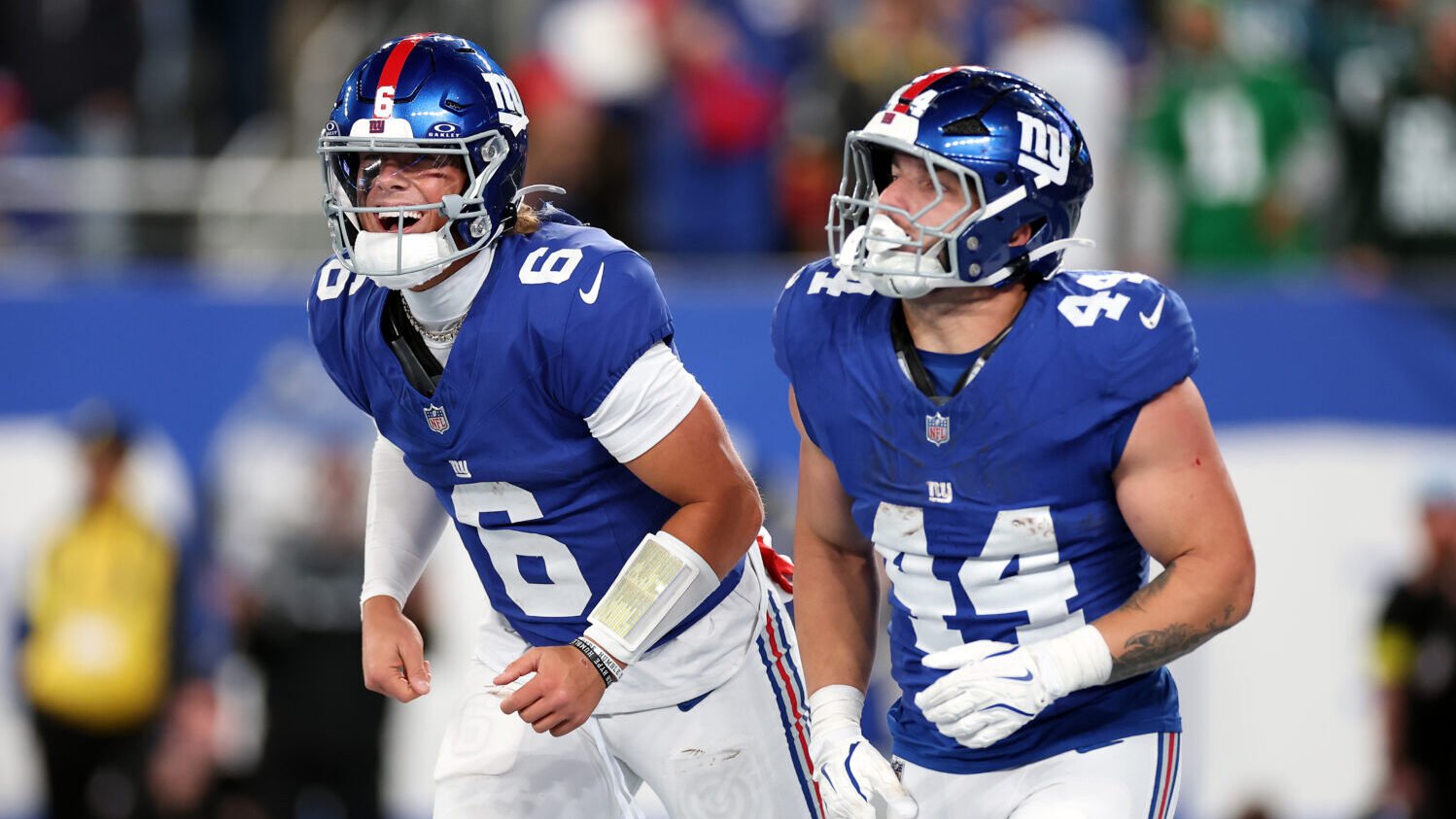
Practices like that were a part of what made Harbaugh's culture, but especially with a team with injury scares like the Giants, they might be in for a ride. With players like Jaxson Dart, Malik Nabers, and Cam Skattebo, who all had injury issues last season, you’re now implementing them into heavy late-season practices that can further increase their injury risks. This, and the lack of remorse from Baltimore, leaves concern that this new chapter for Harbaugh will be more Pete Carroll-Raiders and far less Andy Reid-Chiefs.
While Harbaugh will bring a certain level of competence and competitive spirit that lacked in recent Giants teams, it feels like that won’t be enough to change this team around. If you’re an optimist for this season, you would gain hope from the idea that Harbaugh adds a level of competition that lacked in prior seasons.
No longer are December games defined by tanking, but by staying in games with the best of the NFC. Even with that hope, that might become far from what actually becomes reality. Because that hope was what Raiders fans hoped for last season with Caroll, and instead were fighting for the right to draft Fernando Mendoza in December.
Harbaugh is what the Giants needed, but all the reasons that brought him there may be the same reasons he’s gone.
#26: Las Vegas Raiders
You can’t really get a lot worse than Las Vegas last year.
Outside of the worst record in the NFL, a combination of outdated playcalling and blatant nepotism loomed large on a team that hoped to provide a culture in the hot wasteland of Las Vegas.
In comparison to Pete Caroll, Klint Kubiak brings fewer of the known culture-building traits that have defined Carroll’s career, but also brings in more modern playcalling in comparison to the AARP structure throughout last season. In Seattle, he massively improved an offensive line that was the greatest weakness for Seattle into something of a strength. That also comes with what he showed with the running game, where they may have struggled at times, but the sheer volume was something that helped Seattle late into the season.
Kubiak fits the archetype of offensive-mastermind hires that have transformed teams like the Rams and Packers. Kubiak’s impact on Las Vegas may not be the exact scenario that happened with Seattle, but it has the bones of a potential powerhouse offense.
The biggest piece of Seattle’s offense was finding infinite ways to get Jaxon Smith-Njigba the ball, and that offense can easily be translated to Brock Bowers. With Bowers, you have a top-three tight end in the sport who has already shown to be able to handle a heavy workload, and that came with Aiden O’Connell as his quarterback.
With Kirk Cousins on the team, Vegas now has the reliable starter they hoped Geno would become: a guy who may not be the long-term answer, but a good bridge to the next era. Along with Cousins, players like Tyler Linderbaum and Jailen Nailor bring needed stability to an offense that Las Vegas has struggled with for years.
On the other side of the ball, this defense was already looking promising with signings like NaKobe Dean, Quay Walker, Jermod McCoy, and Kwity Paye; then they brought back Maxx Crosby. For years, this defense has been Maxx Crosby and friends, and while Crosby has still been incredible, Las Vegas now has players around him that give them a well-rounded attack from all sides.
Vegas is nowhere near contention, but this is the groundwork for the first great Vegas team in what feels like eons.
#25: Atlanta Falcons
Atlanta is stuck.
The talent on offense, from Drake London to Bijan Robinson, gives a quarterback the chance to succeed. The problem is that Atlanta has struggled to find that quarterback.
After the failed Kirk Cousins experience and then the Michael Penix era, we are now looking at a quarterback battle between Penix and former Dolphins quarterback Tua Tagovailoa. Both have their reasons for why they should start. It also depends on what new coach Kevin Stefanski thinks puts the offense in a more favorable position.
For Tua, you get a more quick-paced and accurate QB who will give star running back Bijan Robinson a runway to being one of the most impactful offensive players in the league, similar to Devon Achane in Miami. The issue with that option is that choosing Tua will leave fewer deep threat opportunities, hurting players like Drake London.
For Penix, it’s the opposite. His Jameis Winston-like play style of being a downfield thrower brings a completely different look offensively.
While both options, I believe, aren’t good enough to make Atlanta a playoff lock, one of them might just play enough competent football that the pure talent around them takes Atlanta over the top. On the other hand, it could be the same story for Atlanta with a quarterback that handicaps how good this team can really be.
Tier 6: Respectable Teams With Room For Disaster
Mike Ehrmann-Getty Images
#24: Tampa Bay Buccaneers
While many teams will believe they’re a year away from contention, Tampa is the opposite. They’re a year late.
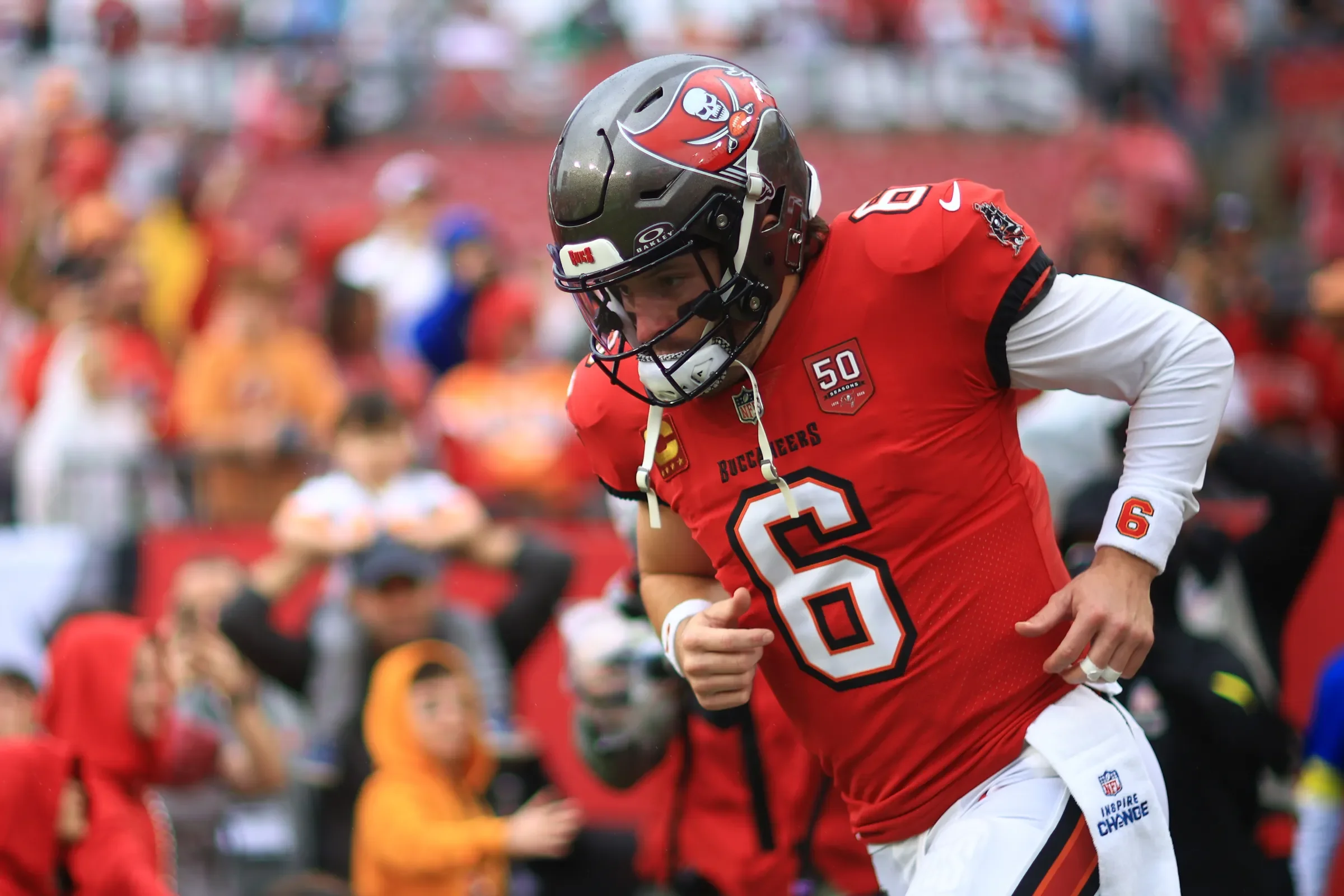
After a 5-2 start, a combination of injuries and poor coaching left Tampa out of the playoffs for the first time since the Jameis Winston days. Now going into training camp, Tampa is not only dealing with figuring out an offense without Mike Evans and a defense without LaVonte David but also with an unhappy Baker Mayfield.
Even with him not being the main issue for those respective players, keeping head coach Todd Bowles seems to be something that will loom with the team.
Even with it not being as strong of a coaching class as last offseason’s, a late-season collapse like that needs to be seen as a sign for things to come. Even with said injuries to players like Emeka Egbuka and Mayfield, this team had too many bad losses where injury isn’t the only reason for those losses. The defense and special teams were the bigger culprits for their collapse.
Tampa’s defense and special teams were the biggest reason for Tampa to go from beating the eventual champions to completely missing the playoffs. The issue with this being the reason they collapsed is that the defense is what Todd Bowles is known for. In multiple games last season, Bowles’ philosophy proved to be ineffective against teams like Atlanta, with Kirk Cousins throwing for 400 yards in that game and Kyle Pitts having the best game by a tight end last season in the same game.
The hope going into this season that could help this team get back on track is the same reason they had such a great start: the offense. The loss of Mike Evans might be hard for Tampa fans, but the offense feels like they have enough to deal with the loss.
Emeka Egbuka, before being injured, looked like a star; now, with a fully healthy Chris Godwin and Jalen McMillan, this offense will be the same engine it was with Baker early on. Defensively, even with the clear issues shown last season, there is enough talent to at least leave a respectable defense despite Bowles’ efforts to change that. The main reason for this lies in Reuben Baine Jr.
Baine, leaving Miami last season, was one of, if not the best, players in all of college football and gives Tampa a needed edge to play alongside Vita Vea, if he stays. That statement and more feel like the problem with Tampa. No matter the talent that is clearly displayed on this team, the coaching seems like the reason this will fall apart.
Now looking towards this season, any misstep and miscalculation early on could become the straw that breaks down this era of Tampa Bay football.
#23: Pittsburgh Steelers
Despite having one of the NFL’s better off-seasons, the fact remains that Pittsburgh is still very far from a Super Bowl. The problem is, Pittsburgh refuses to believe that.
Adding players like Rico Dowdle and Michael Pittman Jr gives their offense far more consistency for Aaron Rodgers. Outside of DK Metcalf, Rodgers had Calvin Austin, Roman Wilson, and Adam Thielen as the only other options. Even though roster-wise they were the biggest additions, the biggest-both figuratively and literally-is new head coach Mike McCarthy.
McCarthy has been a coach who, since his Super Bowl win with Aaron Rodgers, has shown himself to be a floor-raiser. At his best, McCarthy can maintain a competitive roster, but if you’re looking at postseason success, he’s not the option. That is the problem with this era of Pittsburgh football. The Steelers always harp on how they are never a truly bad team, but in exchange is a team that is never in the upper echelon.
#22: Carolina Panthers
Carolina is the only team in this bottom part of the rankings that I hope exceeds my expectations.
Even with the risky Jaelan Phillips signing, I am high on this Carolina team coming off a very competitive loss to a Rams team that almost went to the Super Bowl. Carolina already had a very good defense last year and only improved it, adding a needed edge in Jaelan Phillips, along with adding the best linebacker available in Devin Lloyd.
The defense should sustain or exceed what they did this prior season, but there is a reason they are this low. Out of all the teams in their division, they have the most to worry about when it comes to how their offense will do.
Bryce Young and their offense did well last year. It feels like for this team to remain at the top of the NFC South, they need Bryce to elevate. After his benching in his second season, Bryce has become an actual starting-caliber quarterback, but for this team to maintain their spot, Bryce needs to become a step above that.
#21: New Orleans Saints
Who would’ve thought a 26-year-old rookie is now the head of the potential best team in the NFC South? After beginning last season as a bottom-feeder, New Orleans slowly turned into a competent team again. The combination of Chris Olave, Tyler Shough, and rookie head coach Kellen Moore showed the potential of a powerhouse offense next season. Now, with the addition of Travis Ettiene Jr, New Orleans not only has a group of skill players built for a potent offensive attack, but also for Shough to thrive.
Defensively, adding Kaden Elliss from the division-rival Falcons gives needed depth at linebacker and is another good addition to a defense that proved to be a solid passing defense. The big hope for this defense lies in their secondary, primarily Kool-Aid McKinstry. With a defense that, even in a year with zero expectations, was able to be a middle-of-the-league defense.
After a quarterback change halfway through the season, Shough proved to be a quarterback who, with the right supporting cast, can be a Jared Goff-type. A quarterback who, while not a player good enough to carry a terrible roster to somewhat competent, can turn a competent team into a playoff team.
Tier 5: Middle Of The Pack With Upside
Justin Casterline-Getty Images
#20: Jacksonville Jaguars
Well, that was unexpected.
After two seasons defined by unmet expectations, Jacksonville has all the makings of a contender over the next few seasons. Now the job is to have all these pieces come together at the right time.
Over the past few seasons, dominant teams have been led by an offensive guru as coach and a quarterback who can flourish and achieve what the coach wants, and last season showed that Liam Coen and Trevor Lawrence can be the next in line. After a rough first half of the season, Lawrence became not only an MVP candidate, but a top-10 quarterback for the first time in his career.
This season, it looks as though Jacksonville is banking on Lawrence’s jump last season to make up for the deficiencies on the roster.
In Liam Coen’s offensive systems from Kentucky to Tampa, the run has been the biggest factor. Losing Travis Etienne Jr, who had a bounce-back year under Coen, leaves their running back room in a more worrying spot for a team that just came off a Wild Card finish, but with Coen’s insistence on the run, he has the game plan to find success in lesser backs like Chris Rodriguez Jr and Bayshel Tuten. The real question for regression is within the defense.
Last season’s defense in Jacksonville was built on a great contract year from linebacker Devin Lloyd and a great run defense. Players like James Cook, Kenneth Walker, and Jonathan Taylor didn’t even crack more than 71 yards.
Losing Lloyd, who was such a game-wrecker for them, hurts; but a run defense as dominant as Jacksonville's was for most of the season is a great foundation in a league that’s increasingly reverting to dominating through the run game.
Jacksonville might teeter on being a clear playoff team this year, but has the foundation of a perennial playoff contender for the next five years.
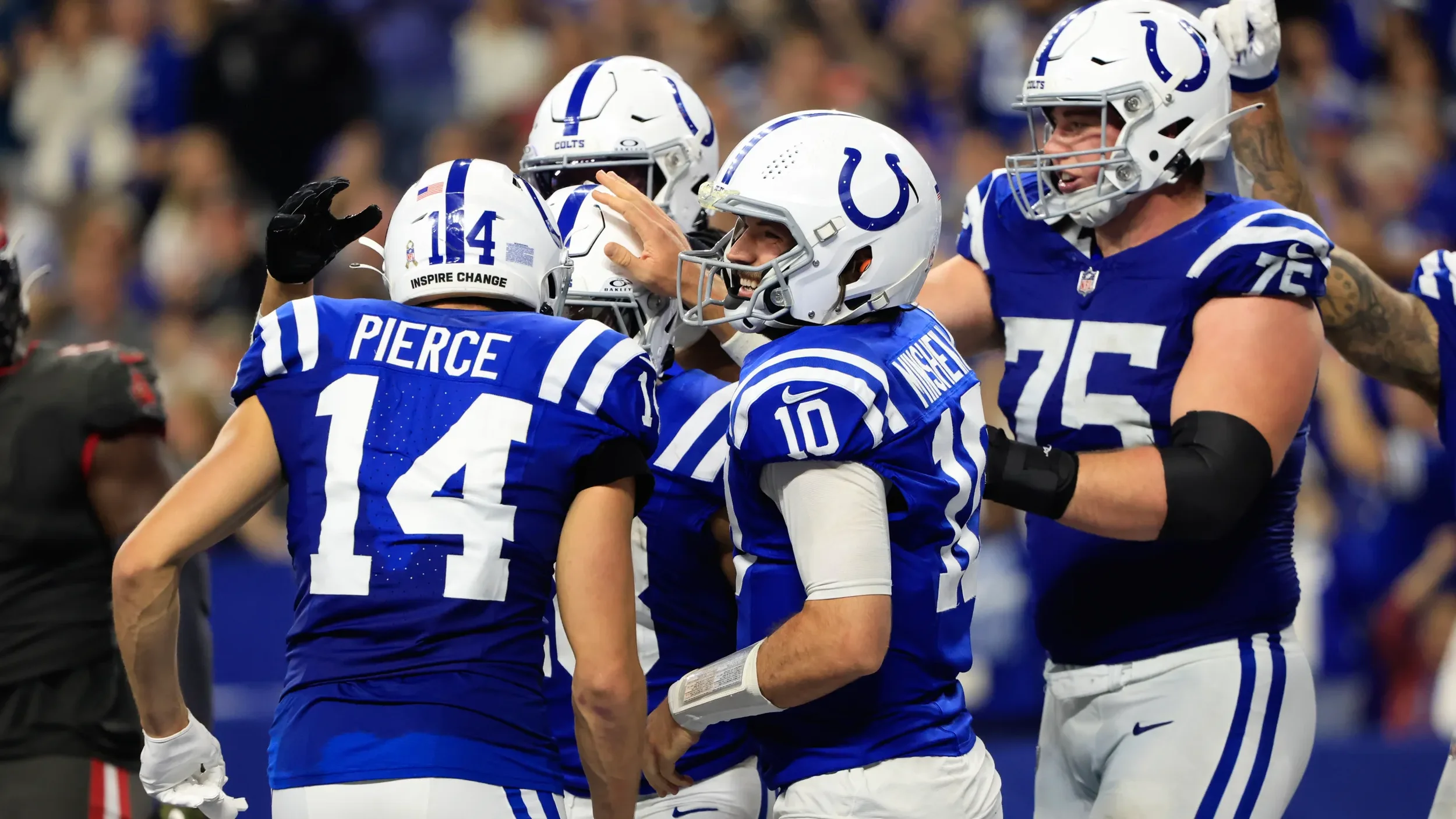
#19: Indianapolis Colts
Though a lot of the Colts’ first-half success was being compared statistically to the 2007 Patriots, the difference is that the Patriots also didn’t end up missing the playoffs and playing 45-year-old Phillip Rivers.
Once Daniel Jones fractured his fibula, it felt like a sharp decline for the Colts. A truly dominant offense fell apart quickly with the injury to Jones, and the offensive line struggles made them hit the fan. Now a team that looked like one of the most promising offenses in the NFL is one of the most polarizing.
Trading away Michael Pittman to bring in Alec Pierce on his new contract cost them one of the more consistent players on that offense over the last few seasons; for Pierce, who, while only being known as a serious threat early on, is now going to be relied on as the number one. Even before the Pierce concern, they also have Daniel Jones off of a torn Achilles as their week one starter, who has never been a beacon of health even before his Achilles tear.
As a whole, this offense has the same roots as the team that was on fire for the first half of the year, but now, with a year on them and the magic away, you can see the real cracks forming.
On defense, after the Sauce Gardner trade that proved that Indianapolis was unable to keep their composure when they are a good team, they now have a better defense than going into last year, but still not good enough.
Spending most of their remaining picks in the draft on players such as AJ Haulcy and CJ Allen does improve a below-average unit, but they will be relying heavily on them to make impacts early when they aren’t even first-round picks.
This team feels like they are trying to duct tape the magic that was their first 10 games. The problem is that you can’t duct tape the cracks of a team that was never good enough to be a contender in the first place.
#18: Green Bay Packers
Green Bay feels in flux. The blockbuster trade for Micah Parsons, which early on made Green Bay look like a true NFC contender, ended with a massive blown lead against Chicago. Now, going into this season, Green Bay has an injured Parsons, a harder division than it already was, and a team that looks closer to the bottom of the NFC than the top.
Offensively, Green Bay feels somewhat improved, but that comes with caveats. Outside of the hopeful improvement in their kicking situation that cost them their second Wild Card loss in a row, Green Bay now has a much more solidified supporting cast around Jordan Love.
With the extension given to Christian Watson, it feels as if Green Bay has finally decided on the clear No.1 target for this offense. Along with that, the return of Tucker Kraft from injury, along with Matthew Golden and Jayden Reed having more defined roles, can give Green Bay the needed balance within their offense.
Now the question is whether Jordan Love can become the clear leader of this group.
After years of Justin Herbert love, analytics have now fallen head over heels for Jordan Love. Over the past two seasons, Love has been a quarterback who, while being consistently good, when he makes a mistake or poor decision, it speaks louder than almost any other starting quarterback.
His constant searching for big throws or plays makes him one of the more exciting quarterbacks to watch, but that same trait is also why, when an interception is thrown, it stays in someone’s mind more likely. This season, with Jeff Hafley gone and Micah not playing for almost half of the season, Love not only needs to be better than he ever has, but also has to make up for a defense that is likely going to struggle early on.
On the other side of the ball, after losing Jeff Haffley to a head coaching gig, Jonathan Gannon feels like the proper replacement for Haffley. In Arizona, Gannon never really was able to make a name for himself as the defensive mastermind that he was touted as after a dominant season with Philadelphia. As a coordinator, though, Gannon still has shown an ability to be a great defensive coordinator and can help a roster that lacks depth on defense outside of Parsons.
Green Bay, while having the top-line talent that Super Bowl teams usually have, feels like they’re missing the key ingredients to becoming that Super Bowl-level team.
#17: Philadelphia Eagles
What does a quarterback defined by his excellence around excellent talent look like when that talent is taken away?
Ever since AJ Brown touched down in Philadelphia, the Eagles have been a prime example of success, sometimes in spite of their mistakes with coordinators. Now, not only is Philadelphia bringing in another coordinator, but it now has to rebuild the entire offense around an AJ Brown-less Eagles team.
For new offensive coordinator Sean Mannion, who was only a couple of years removed from being a backup quarterback, has the makings of the next great offensive mind to touch Philadelphia in the Jalen Hurts era. Coming from the Shanahan tree of coaching, traits like heavy pre-snap motions, under-center play, and linemen focused on blocking spaces instead of man-to-man. The biggest factor that Mannion can help bring is in the run game.
In their Super Bowl season, we saw that for not only Jalen Hurts to succeed, but for the offense as a whole, the run game has to be in top form. If not, as it showed last season, it exposed how one-note and ineffective the passing could become at times. All of these ideas are what Philadelphia needs for a true jolt back into the team, but its success will fall more on the guy who will be under center.
For his career, Hurts has shown to be a quarterback who, when given the right offensive line and even better skill players, can elevate any team. The question for his career, and now this season, is how good can Hurts be when the talent around him is no longer elite?
Players like DeVonta Smith and Saquon Barkley are still on the roster, and the offensive line will be improved significantly due to health, so Hurts is not looking at a team that needs everything to be done by him, but there is concern. In an offense with no longer great talent all around the field, how much brighter do Hurts’ flaws shine through?
Hurts has been one of the best in the league for years, but how good can he be when everything isn’t even better around him?
Tier 4: Playoffs ….Sure!
Aric Crabb-Bay Area News Group
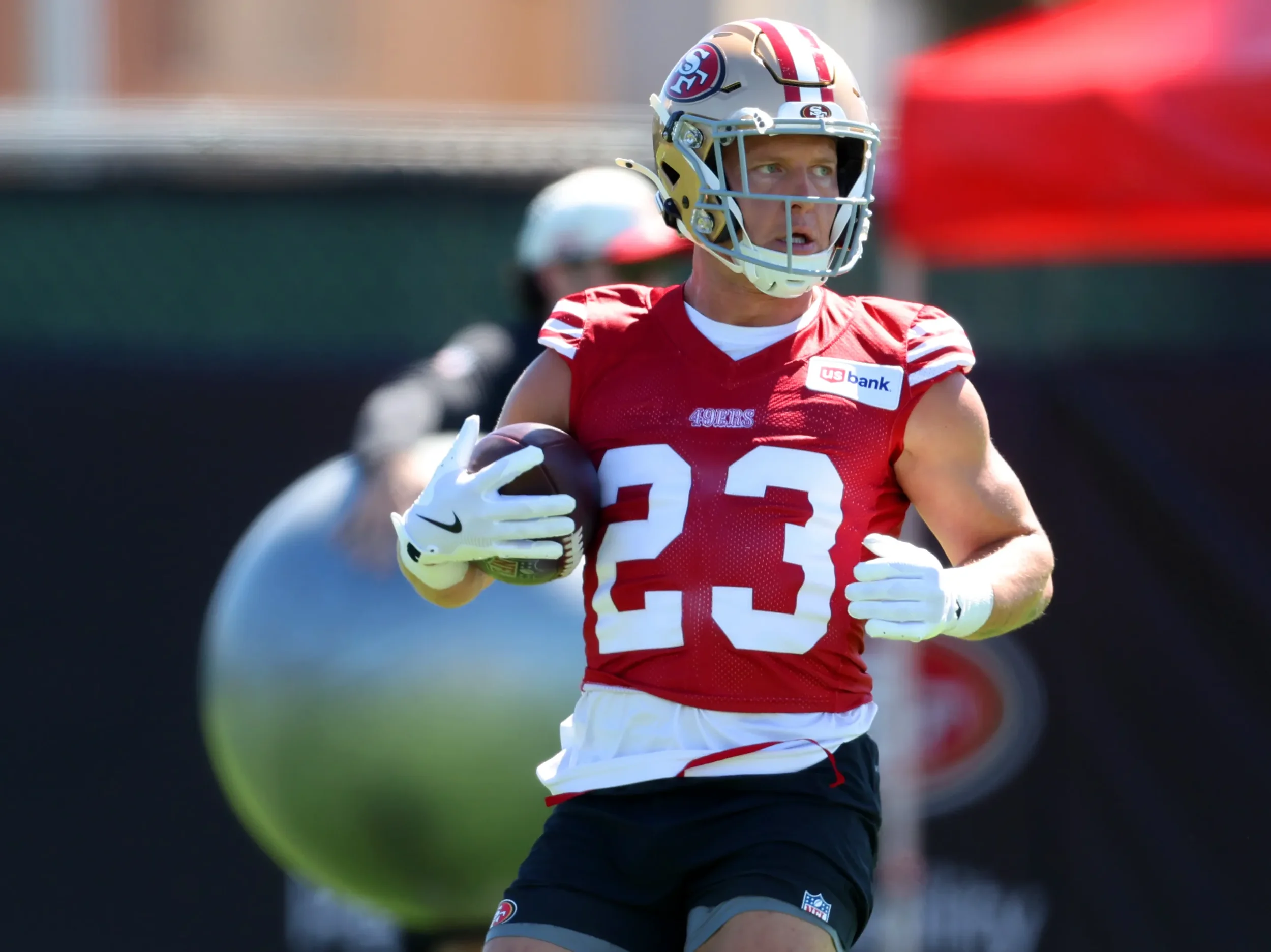
#16: San Francisco 49ers
San Francisco’s injury worries have already become such a problem that I’m hesitant to write this without checking my phone to see if a new player has been added to the injury report. For years, this team has had talent on both sides, but by the time the talent will matter the most, the substation has already taken them.
The good part about last year was that, with the combination of a very easy schedule and the pure talent of Saleh and Shanahan to elevate any player they put on the field. Now this year, not only is it a harder schedule, but they’re starting the season out of their own country.
With their feel-good season last year, there was still a clear disparity between them and the true elite of the NFL. Games against the Seahawks and Texans showed that while a lot of those games had an injury report the size of an unfunny comedian’s memoir, it still felt like a representation of their standing within the contender tier.
This year, not only do they have the same issues at receiver, cornerback, and offensive line, but they also lost Robert Saleh, who was able to keep a competent defense despite the constant injuries.
Despite all the injuries, this is a team that employs Kyle Shanahan, Fred Warner, Nick Bosa, and Brock Purdy. Not a lot of teams have players and coaches as good as them, but how far can that take a team that can’t catch a break?
#15: Kansas City Chiefs
In the journey to fix their run game, a problem for years, it only revealed the bigger issues facing Kansas City. Fixing their running back spot revealed issues in the secondary, offensive tackle, and pass-catchers.
Before Mahomes' injury last season, it was crystal clear that this team was just not good enough to maintain the dominance that has become common for Kansas City. The heavy use of Mahomes’ legs due to a lackluster running game and an offense that had no true standout made an offense that, even in prior seasons, was lethargic look plain bad.
Adding Kenneth Walker, though, adds a new element to Kansas City in a high-level running back. Throughout Mahomes’ tenure, Kansas City has been a primary passing team due to Mahomes’ greatness, but with a receiving core that has struggled, Walker can bring another angle to the offense that’s needed. At the end of the day, a healthy Mahomes gives Kansas City a shot, but that can’t be said for the defense.
Throughout Kansas City’s history, cornerbacks have never been a major priority when it comes to second contracts, due to their astounding ability to find replacements. The issue with that method now is that they might not have enough to keep up that idea. In the secondary, even with adding the best cornerback in the draft, Mansoor Delane, that is a lot to put on a rookie corner.
Behind Delane, the other options are Alohi Gillman and L’Jarius Sneed, who couldn’t even look good in Tennessee. All of that is said before the loss of Leo Chanel, Jaylen Watson, and Bryan Cook, all important pieces to the post-Tyreek Hill Super Bowl victories.
This feels like a team in transition away from their dominance. The real question lies in whether they come back even stronger or last year was the beginning of an inevitable rebuild.
#14: New England Patriots
While I don’t like adultery just as much as the next guy, New England feels like they only have two pathways. With the combination of a Super Bowl hangover, the Dianna Russini scandal, and a schedule that, compared to last season, looks like a Little League team playing the LA Dodgers, New England only has two ways to go. Either cement themselves as a powerhouse in the AFC with a revived offense or be one loss away from having a lost season.
On paper, this team is better than last season. In their Super Bowl loss, it was clear that with Maye’s injury looming large, it showed just how much this offense was built on the hope that Drake Maye would do something. Now with AJ Brown and Romeo Doubs, Maye is given receivers that give him an upgrade at X-receiver from Kayshon Boutte and a better short-range receiver than Mack Hollins.
Another issue was their offensive line struggles that, even with the easy schedule, could be seen in games against even the Browns. Despite Will Campbell’s struggles due to injuries, he proved in the regular season to be a reliable tackle, and adding players like Alijah Vera-Tucker and Caleb Lomu at least gives them a middle-of-the-league o-line.
Defensively, they maintained the same continuity from last season outside of K’laivon Chaison’s departure. Even in their Super Bowl loss, players like Milton Williams and Christian Gonzalez played well against Jaxon Smith-Njigba, showing that the defense is good enough to be Super Bowl-caliber.
In the AFC, New England should still be a major threat when it comes to January, but with the offseason drama and a new schedule feels like a major piece into how good this team will actually become.
#13: Washington Commanders
Even with Washington being in the tier with three teams that have made a Super Bowl in the last five years, I like Washington more than any of those teams to potentially reach the Super Bowl. A season where everything that could go wrong did go wrong. From Terry McLaurin’s holdout and subsequent injury, Jayden Daniels’ multiple injuries, and a team that was already an old team showing its age.
Put all together, it was a year coming off an NFC Championship appearance that one would want to forget. Now one year later, Washington got a whole lot younger, and hopefully some better health.
Last season was a disappointment, but in the bigger picture was what Washington expected. Following Dan Snyder’s departure, GM Adam Peters made it clear that their goal to rebuild a competitive Washington team involved a years-long rebuild built on bringing in veterans to create a culture.
The problem with that plan became not knowing just how good Jayden Daniels was. Now three seasons later, this offseason felt like the true push to become a contender. That push started with the defense.
The past two seasons of the Washington Commanders defense have been defined by forgetting about the defense and pleading for fans to just focus on the cool offense. Now, Washington is bringing in players like Odafe Oweh, K’laivon Chaison, Leo Chanel, and rookie Sonny Styles as the new faces of Dan Quinn’s defense.
A defense in the past defined by veteran experience in guys like Bobby Wagner has finally moved towards youth. Now that the biggest issue with defense is resolved, Washington can give time to redefine an offense moving from Kliff Kingsbury
After what felt like the football comparison of ‘creative differences’ with an actor and a studio, David Blough takes over for Kliff Kingsbury as the new offensive coordinator for Washington. While Blough is relatively unknown coaching-wise, he was already in talks for head coaching positions early in the offseason.
Right now, it is in the air what his system is built upon; Blough has been under coaches such as Ben Johnson and Kingsbury, along with backup quarterback experience. Blough, along with the signing of Stefon Diggs, gives Washington something similar to their defense in their massive changes.
Nothing is telling me to think Washington will be better than any of these teams. In my head, I see a team that should have far better injury luck combined with an improved defense, along with a weaker division to compete for a real chance at the championship game.
Tier 3: Super Bowl? Maybe But Not Yet
Elías Valverde II-Dallas Morning News
#12: Chicago Bears
No other team caused more cognitive dissonance than the Chicago Bears last season.
Constant comebacks, crazy end-of-game plays, and lackluster first halves defined nearly every game that the ‘Cardiac’ Bears played last season. Now the question becomes: how does a team that built its identity on coming back actually start outright winning games? The answer might just lie in Ben Johnson in year two.
All of last offseason, everything coming out of practices was the major adjustments from not only Caleb Williams, but from everyone into the new Ben Johnson ecosystem. From more reserved under-center play to how Williams would use his hands after a bad drive was all the changes Ben Johnson tried to implement. With the season where we saw all the growing pains of adjusting to Johnson, this might be the season we see all the fruits of his system.
With players like Caleb Williams, Colston Loveland, and Luther Burden all adjusting to Johnson, this season can be their shot to show just how powerful an offense when it isn’t trailing for three quarters. The comebacks will likely be far less common; the defense might be the factor that changes them from just a great offense to a great team.
Under Dennis Allen last season, Chicago elevated a defense that lacked the star power of their opponents, but always seemed to make the play that would change the game. This season, however, it will be less likely we’ll see Nas’hon Wright and Kevin Byard finding ways to somehow always get interceptions and see just how much Allen can elevate any defensive talent around him. Byard and Wright aren’t on the team this season, but they showed a perfect example of the effect Dennis Allen can have on a team’s defense.
Not great as a head coach, but as a defensive coordinator, Allen has shown over and over that, no matter the talent on paper, he can find ways to scheme up a defense able to compete with top opponents.
Chicago can’t rely on the ‘Cardiac’ Bears forever. But after a full season with Ben Johnson and Dennis Allen under their belts, Chicago has the system and continuity to leave the ‘Cardiac’ name behind and turn it into the contending Bears.
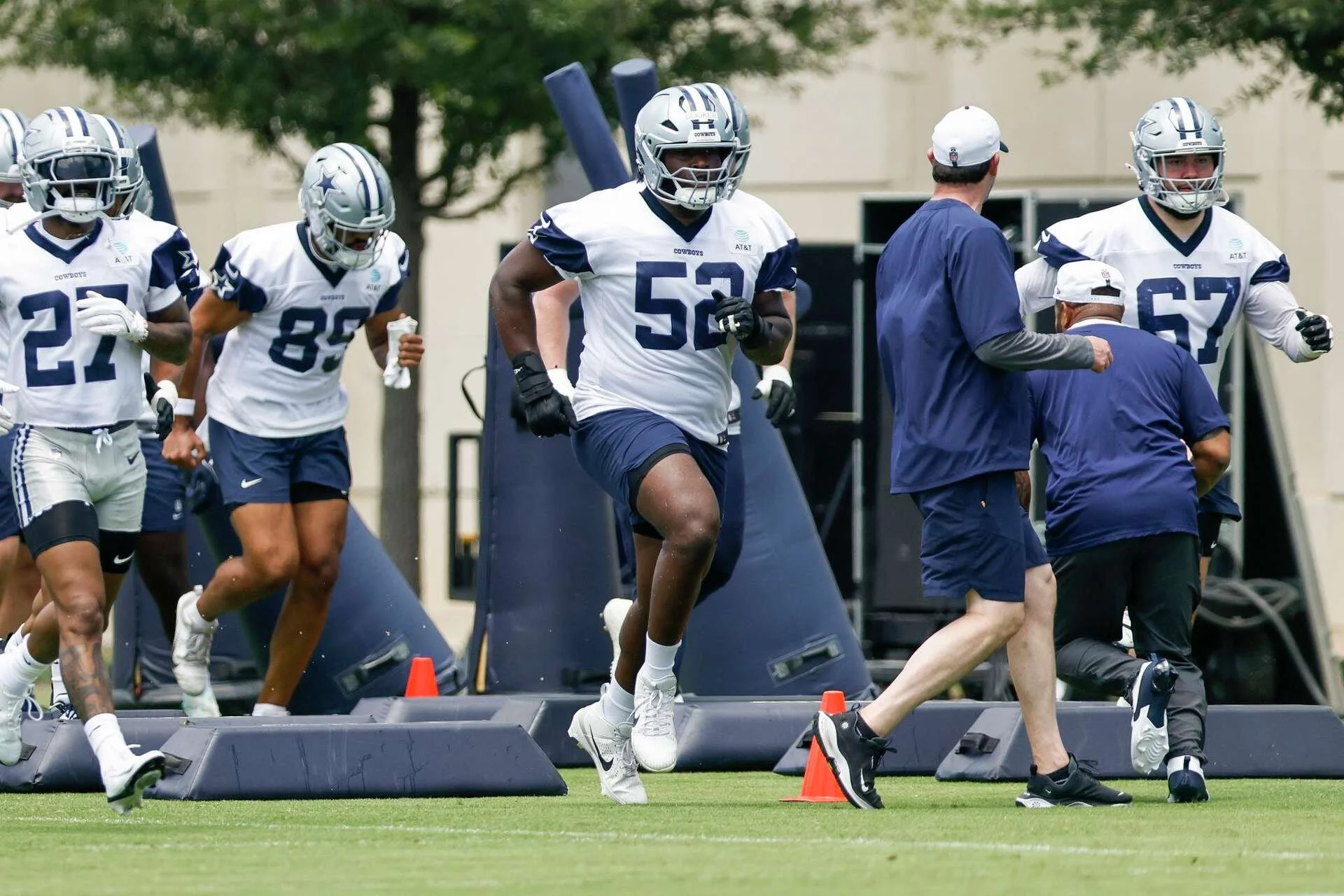
#11: Dallas Cowboys
Who would’ve thought trading one of the greatest edge-rushing talents in years would help Dallas build the best team they’ve built in years? If they had signed Parsons, it would’ve handicapped a team that is paying nearly 70% of its salary to three guys. Now, Dallas has the same core offense that shined last season, but now they have the players to get the stops that they couldn’t even sniff last season.
On defense, after rebuilding an entire defense starting in August after losing Parsons, Dallas may not be a powerhouse on that side of the ball, but they have the actual talent that they lacked last season. Bringing in Caleb Downs, for example, one of the best players in all of college football last season, to be the anchor of coordinator Christian Parker’s defense.
Unlike defensive play-callers such as Robert Saleh and Dan Quinn, whose defenses are like a castle, staying in one rigid formation throughout the game with very few change-ups. Parker, however, runs his defense like a transformer. Constantly changing looks and positioning depending on the matchup. Ideas such as two-high safeties and simulated pressure instead of blitzing have defined Parker’s schemes so far under the Vic Fangio tree of defense.
Adding a young talent at defensive coordinator feels like the needed risk after going for an established name in Matt Eberflus and is a step in the right direction for a defense that has been a constant disadvantage in Dallas week in and week out. Though adding Parker and his play scheme will likely take time to adjust, even if they are just competent on that side of the ball, it gives the already great offense some breathing room.
Though the defense was a constant struggle last season, the offense was on another level. The additions of Javonte Williams and George Pickens helped balance out the skill group around Prescott. The big help, though, this season for Dallas seems to lie more heavily in their offensive line. With the three Tylers (Booker, Guyton, and Smith), Cooper Bebe, and Terence Steele as the front, Dallas has their best line since the Ezekiel Elliot days.
An already high-powered offense now has a defense that can support the power. Now, it’s only a matter of time before Dallas is back to playing meaningful January games.
#10: Minnesota Vikings
‘Ask a McCarthy to fix a lightbulb, and it might shatter before it’s ever screwed in. Kyler will at least get the lightbulb up. Maybe he even makes it shine brighter than McCarthy ever could.’
Despite the worst quarterback play in the league besides Cleveland, Minnesota went .500. The Carson Wentz, Max Brosmer, and JJ McCarthy train wreck won nine games, not due to any of their excellence, but just because of how good their defense was. Now, even if Kyler Murray is a middle-of-the-league quarterback talent, that should be good enough to be back in the playoffs.
The problem with the offense last season was that they still had the talent of the previous 14-3 roster, but underachieved. The problem stemmed from the fact that JJ ‘the wunderkind’ McCarthy and Max Brosmer weren’t good enough to maintain Minnesota’s success from last season.
Murray, compared to McCarthy, has shown to be a middle-of-the-road quarterback, but with Kevin O’Connell’s influence, the receiving core now with Juaun Jennings, and a far better offensive line, Murray is given the best situation of his entire career. If any team is able to show why Kyler was the top pick in 2019, it’s this team. Along with Murray’s offensive situation, the defense is still just as powerful as it was last season.
Just to show how good the Vikings defense was last season, they won a game against Detroit with Max Brosmer starting. Bringing back Brian Flores, who has consistently been one of, if not the, best defensive play-callers in the league, combined with an offense that, with Murray, will give the defense more rest.
Last year, Minnesota showed they could do more with lackluster talent at the most important position; now they have okay talent at worst at the position, and that might be the separator between a nine-win campaign and thirteen wins.
#9: CINCINNATI Bengals
For years, Cincinnati has had some of the best offenses in the past five seasons. They’ve missed the playoffs for the past three years. Though Cincinnati has had some of the best offenses, it’s also manned some of the worst defenses we’ve seen. Now for the first time in years, Cincinnati has focused on the defense.
In this three-year stretch where Cincinnati has struggled on defense, the problem has always been the talent itself, less than the coaching. With guys now like Jonathan Allen, Boye Mafe, Bryan Cook, and most importantly Dexter Lawrence, Cincinnati now has the talent that became so obviously lacking compared to the offense.
Lawrence, while coming off of his worst season in years, brings a threat from the defensive line that they were unable to have around Trey Hendrickson. Cincinnati still isn’t a perfect defense, but has the pieces of a unit that can survive high-level offenses deep into January. What makes it even better for them is that they have an offense that can now flourish.
What more can be said about Cincinnati on offense: Joe Burrow good; Ja'Marr and Tee Higgins cool play. For years now, while they have had this high-powered unit, it’s also been a team that has had to be, due to always trailing. A combination of a poor offensive line and bad defense has left Burrow and co. always playing from some sort of disadvantage.
But now, with capable players on defense leading to fewer passing situations, which can help the issues on the offensive line, Burrow is going into his best situation since they made the AFC Championship.
For years, Cincinnati has asked Burrow and co. to overcome a failed situation around them, and given that, they held their end of the bargain. Now it’s time for Cincinnati to hold their end of the bargain.
Tier 2: Super Bowl Isn’t Out Of The Question.
Jess Rapfogel-Getty Images
#8: Los Angeles Chargers
The perfect definition of last season for the Chargers is just the PFF rankings for their offensive lineman on Sunday Night Football.
Property of NBC and the National Football League
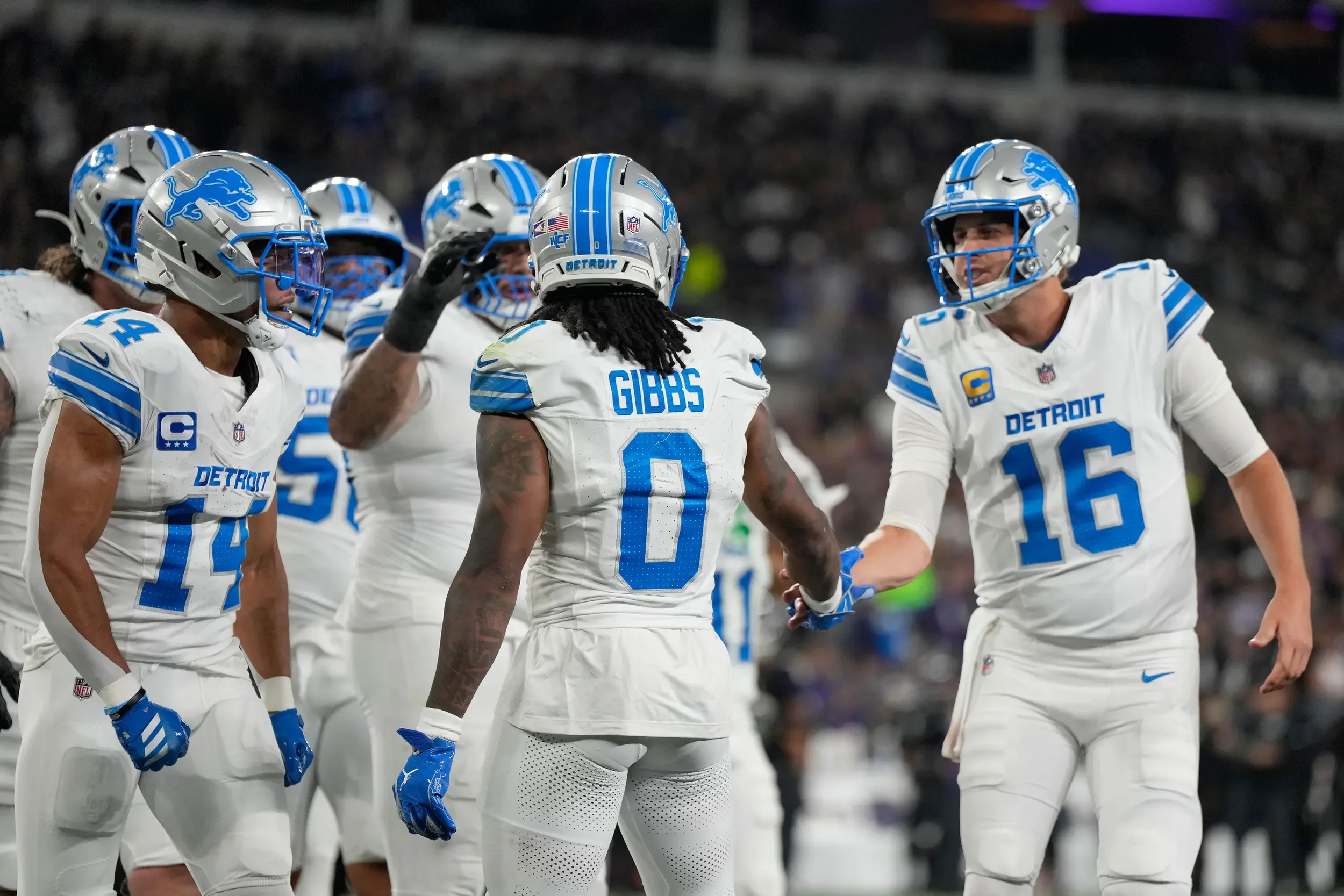
Once Rashawn Slater was hurt before the season opener, it was all downhill from there for Herbert. Now, with two healthy tackles in Slater and Joe Alt, along with additions like Tyler Biadasz, the protection for Herbert is shored up; he, even with the mess of an offensive line he dealt with, played great yet again.
Now, along with a better line comes an even better play caller, Mike McDaniel. Nobody in the modern NFL fits a Shanahan system better than Justin Herbert, and McDaniel might be the closest we ever get to that. In Miami, McDaniel’s main goal was to help Tua and find ways to cover his clear weaknesses.
Now in LA with Herbert, McDaniel is playing with the prototypical modern quarterback. The combination of Herbert, McDaniel, and weapons such as Ladd McConkey, Quentin Johnston, and Omarion Hampton gives the Chargers a runway to becoming one of, if not the best, offenses in the NFL.
Defensively, losing coordinator Jesse Minter leaves a massive void. Minter is in a similar archetype to Seattle’s Mike McDonald, as new-age defensive prodigies leave LA in a worrying spot. An advantage, though, for O’Leary will be that the offense will be far better, giving him time to find his own in LA. After a decade-plus of misfortune, LA is looking at its best chance at becoming a true contender.
#7: Baltimore Ravens
Looking back on the opening game against Buffalo, it feels like a sign of what became a train-wreck season. A defense that struggled to be consistent, Lamar's injuries, and offensive line struggles all led to the final season of the John Harbaugh era. Now in the first season of the Jesse Minter era, Baltimore looks to be a juggernaut in the AFC.
Offensively, Declan Doyle seems to be a standout at camp, with constant quotes on his detailed offensive structure being the biggest takeaway-which says a lot about prior staffs if details in offense are this groundbreaking. Along with Doyle, Baltimore added Vega Ioane, who beefs up the interior with John Simpson that led to Lamar being a sack machine. With the offensive line came the receiving group as well. Players like Jakobi Lane and Elijah Sarrat bring needed size and depth alongside Zay Flowers.
Defensively, Baltimore is looking at reverting back to their identity that’s defined their previous Super Bowl wins: hard-nosed defense. The issue with Zach Orr always felt like consistency. In the two years as coordinator, both teams struggled early on defensively but over time either massively improved or became average. In the first season, it can be understandable, but it became clear that if Baltimore wants to become a powerhouse defensively, Orr wasn’t going to be holding the clipboard.
Minter is the complete opposite. From title-winning Michigan to the Chargers, Minter has shown to be a mastermind at any level. He and Mike McDonald feel like the response to the ‘McVay-Shanahan’ offenses that dominated the late 2010s and early 2020s.
Like McDonald, Minter uses heavy pre-snap motions to make the quarterback believe he understands the play concept, then uses another player as a surprise addition, revealing the actual scheme. Schemes like this are a response to the dominance of the run-based West Coast Offense run by Shanahan. Also, with what was just seen last season with McDonald, defenses like this have proven to be the catalyst for Super Bowl-winning teams.
Even in feeling like a transition year, the offense with a player like Lamar and a capable defense spearheaded by Minter has all the makings of not just a present contender, but a future Super Bowl winner.
#6: Buffalo Bills
Two seasons defined by Josh Allen and friends now lead to the best receiver Allen has had since Stefon Diggs: DJ Moore. In Buffalo’s loss to Denver, one thing became clear from the result. To make a Super Bowl, Josh Allen and James Cook can’t be the only ones reliable on offense.
That reasoning feels like the blame for Buffalo’s loss and specifically for Allen’s performance. Over this past season, when Buffalo played great defenses, it became clear that the lack of consistent separation in Buffalo’s receiving core led Allen to try too hard to make things happen.
Now, with DJ Moore, even though he is no longer his prime version, having a threat like that on the field leaves Buffalo with a reliable threat in the passing game they lacked.DJ Moore’s arrival also happens to coincide with Joe Brady’s move to head coach.
In Brady’s tenure as offensive coordinator, Buffalo has been a regular-season win machine; the question lies in whether that’s more caused by a generational quarterback or Brady. Now, as the new head coach, that question will be tested to its limits.
In Brady’s hiring, Buffalo is clearly banking on the most consistent part of the team: the offense. The real deciding factor in Buffalo’s winning this season lies in the defense.
The biggest issue outside of unreliable receivers on offense was the defense consistently not being able to stop opposing teams in the playoffs. The Broncos’ loss felt like the exposing of a lingering truth. For the past two seasons, Buffalo’s offense, which lacked consistency, still was able to drop 30 points; the problem was that Denver dropped 33. 33 points that were scored by a Denver team that had been inconsistent all season offensively. All of this happened with the ‘13 seconds’ game, a constant reminder in Buffalo fans’ and players’ minds.
Adding Jim Leonard from Denver, hopefully, can change the biggest problem in the McDermott era: a lack of momentum-swinging plays. Despite fielding some of the league's best regular-season defenses under Sean McDermott, Buffalo has totaled just six sacks and three takeaways across its playoff losses during his tenure.
For this defense to keep up with an offense that has remained top-six in offense since 2020, they need to make the game-changing plays for once.
#5: Detroit Lions
Even with Detroit’s bad luck the past few seasons. There’s still some sun shining in that window.
With most of the NFC North taking a step back besides Chicago, Detroit's fourth-place finish gives them the sixth-easiest strength of schedule. The hope now falls in if everything else can get in line.
While Detroit’s offense last season had some smoke from 2024’s earth-burning campaign, the problem fell in the John Morton of it all, and unlike the previous season, the injuries hit the offense. Morton’s biggest struggle was having the perfect plan on paper, but he couldn’t execute it even if they were figurines for him to use.
Now, with Drew Petzing, who had a disappointing year in Arizona, being dealt a bad hand. In Arizona, once James Conner went down, it exposed the lack of depth at running back and, combined with an even worse offensive line, created a team that needed to pass or die.
With Detroit, what he showed when his back was against the wall with the passing game gives promise, with hope that with a running back as good as Jahmyr Gibbs, Detroit might look closer to 2024 than last season.
Another hope for the offense is the shoring up of the offensive line. With Penei Sewell moving to left tackle and adding Blake Miller, who, while not an amazing college prospect, was a consistent player quality-wise and availability-wise, both things Detroit struggled with last season
Defensively, another season for Kelvin Sheppard can only be a good thing. Dealing with a defense that was just as hurt as the year prior, Sheppard showed an ability to be a perfect fit with Detroit’s environment, and feels like a perfect succession to Aaron Glenn.
With everything rolled out for Detroit to become a powerhouse once again, all they can hope is that Bobby Layne gives them a real shot to bring a Lombardi to Detroit.
Tier 1: This Is Your Time
Matt Slocum-AP Photo
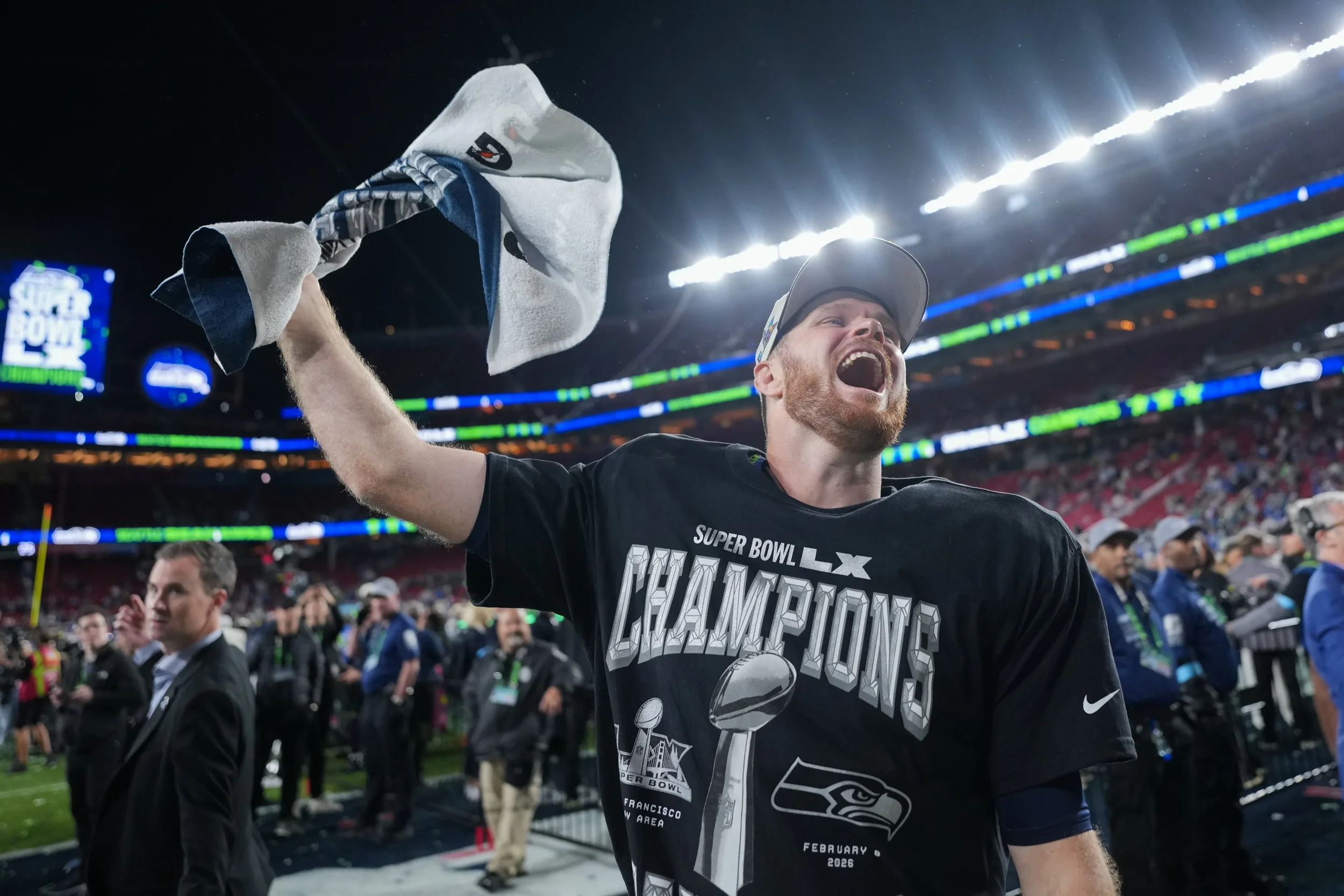
#4: Seattle Seahawks
Even with all of the losses through this offseason, like most Super Bowl champs, there is still something with Seattle. Over his first three years, Mike McDonald had shown himself to be the best defensive mind in the NFL, and no matter what team he has defensively, it has a bar McDonald will always clear. With all that said, this team still has all the pieces to win a title, but also the pieces to not even touch SoFi.
McDonald’s ability to elevate any defensive talent gives Seattle an obvious ceiling; the question more or less lies in the offense.
After hitting their stride late in the season and throughout the playoffs, Seattle lost Klint Kubiak, who in his time in Seattle truly elevated the offense, similar to McDonald on defense. The concern is that in the year before signing Kubiak, Seattle brought in Ryan Grubb, and the offense struggled constantly, and the offensive line was even more of a struggle.
Now, with Brian Fleury, whose main experience was as a tight ends coach with the 49ers, one wonders which path this goes. Will this be another hit like Kubiak and have another humming offense, or a slog offense that wastes another great defense like Ryan Grubb?
The positives offensively for this team do lie in how their offense was run last season. With the offense entirely around finding ways to get Jaxon Smith-Njigba the ball, teams will now key in on Njigba so much that it’ll benefit the unit as a whole.
Week-to-week opponents will spend all week finding ways to stop Njigba, leading to opportunities for players like AJ Barner, Tory Horton, and Rasheed Shaheed to excel. Seattle, though, needs to hope that’s the scenario, or then the run game will become an even bigger concern.
Losing Kenneth Walker to free agency and Zach Charbonnet for half of this season, Seattle is looking at the weakest running game of any contender. Just don’t color me surprised if someone like Tyler Algier is a poster on a Seahawks fan’s wall before the trade deadline. All of these worries for the champs lie in the offense, but with a defense that was as dominant as Seattle’s, they’re given breathing room to find themselves.
Despite all the offensive concerns, once-in-a-decade minds like McDonald coming off a Super Bowl should always be in the running to get back.
#3: Houston Texans
Unlike Denver, Houston was probably a CJ Stroud benching away from its first championship game. While Stroud can be blamed for their loss against New England, it felt like a culmination of what Houston caused Stroud due to their lack of support in improving his offensive line. This offseason, however, Houston finally dedicated itself to improving the offense.
Adding players like Braden Smith, who was a starter for Indianapolis for eight seasons, and Wyatt Teller, who, while not being an All-Pro since 2023, has played respectable for years. Even if the names added to Houston aren’t noteworthy, they’re guys who have something most of the other linemen haven’t shown: consistency.
Defensively, while already a juggernaut added Reed Blankenship, who makes the best secondary in the NFL even better. Along with him comes Ja'Davion Clowney, who, while not the same as he was at his peak, is another great addition to an elite group of edge rushers with Will Anderson and Danielle Hunter. Adding players like Clowney, Blankenship, and Kayden McDonald in the draft feels more like perfecting a near-perfect defense. At the end of the day, though, everything will lie in the offense.
Last season showed that Houston doesn’t need to be elite offensively but able to keep leads, and that was the problem. Even in wins against the Steelers, Houston’s offense was consistently clunky. The additions of a better offensive line and running game with David Montgomery will help this, but at the end of the day, it lies in CJ Stroud’s hands. Ideally, Houston should hope at worst to get a Darnold-like performance from Stroud. Someone who may not make constant wow plays, but will not be the reason you lose the game.
While Houston didn’t make their first championship game last season, Houston might make their first Super Bowl instead this season-if the offense plays their cards right.
#2: Denver Broncos
The Broncos were one Bo Nix away from a Super Bowl appearance, and if I remember correctly, he’s back and healthy. Not only is Nix back, but Denver, while not making a lot of moves, made the one they needed to: a #1 receiver. Courtland Sutton has proven to be a number one, but Waddle now brings more balance to Denver’s offense.
A move for Waddle was needed; last season, the offense was far too inconsistent, often needing the defense to compensate. Denver would have shootouts against Green Bay, but struggle to reach 13 against the Jets.
Now with Waddle, Denver adds another guy who concerns the defense outside of Sutton, Nix, and Dobbins when he’s healthy. Even with an offense that looks far more solidified, the only question lies in the coordinator. During the offseason, with teams like Buffalo looking into assistant coach Davis Webb, Payton instead surrendered play-calling duties to Webb.
We may see many of the same elements of a Sean Payton offense, or there may be some early struggles with the addition of Waddle and Webb, but the defense showed last season to handle opposing teams when the offense straggled along.
With Denver’s few additions, most were to help the offense; there is a reason why: Denver’s defense is still just that good. With Vance Joseph returning as defensive coordinator, this team feels primed to keep its defensive dominance.
The only worry with this team, and the defense specifically, falls with the linebacker position. After the big addition of Dre Greenlaw last offseason, Denver cut him and now only leaves Alex Singleton as the best linebacker. While Singleton was good, having him as the most reliable feels like a risk that should be addressed sooner than after the playoffs.
This team was one injury away from the Super Bowl and only got stronger on offense; there’s never been a better shot for Denver to return to the Super Bowl since Von Miller and Peyton Manning were wearing shoulder pads.
#1: Los Angeles Rams
At this point, the only team standing in the Rams’ way back to SoFi is the Rams. Like their previous Super Bowl victory against Cincinnati, the Rams are in their own stadium, and that’s clear by the moves they made. This team that was a couple of plays away from their second Super Bowl appearance now adds the best defensive player the sport has seen this decade.
While Verse was a great ascending edge that was a major piece to Chris Shula’s system, Myles Garrett is truly established, compared to Verse’s ascending career. Garrett is coming off a season when he achieved the sack record on a team that rarely was in winning situations at the end of games. Now in LA, he may not have the sack record, but he will be the scariest defensive player for any offense in the few close games.
Adding Garrett is a big piece, obviously, but the bigger piece is in the additions to their secondary. After a secondary that was headlined by Emmanuel ‘Flat Stanley’ Forbes as their best corner, it now adds both former Kansas City Chiefs corners who led to their back-to-back Super Bowl victories. Trent McDuffie, along with that, has been one of the best corners since entering the league.
All of this praise has been said without mentioning an offense that has the MVP and one of the three best receivers in the NFL.
The biggest risks in sports are praising teams before they're seen on the field. But this team feels different. The Rams are looking at one of the most dominant and stacked rosters of this century. Now all they need is the Lombardi to cap it off.