
Courtesy of FX Networks
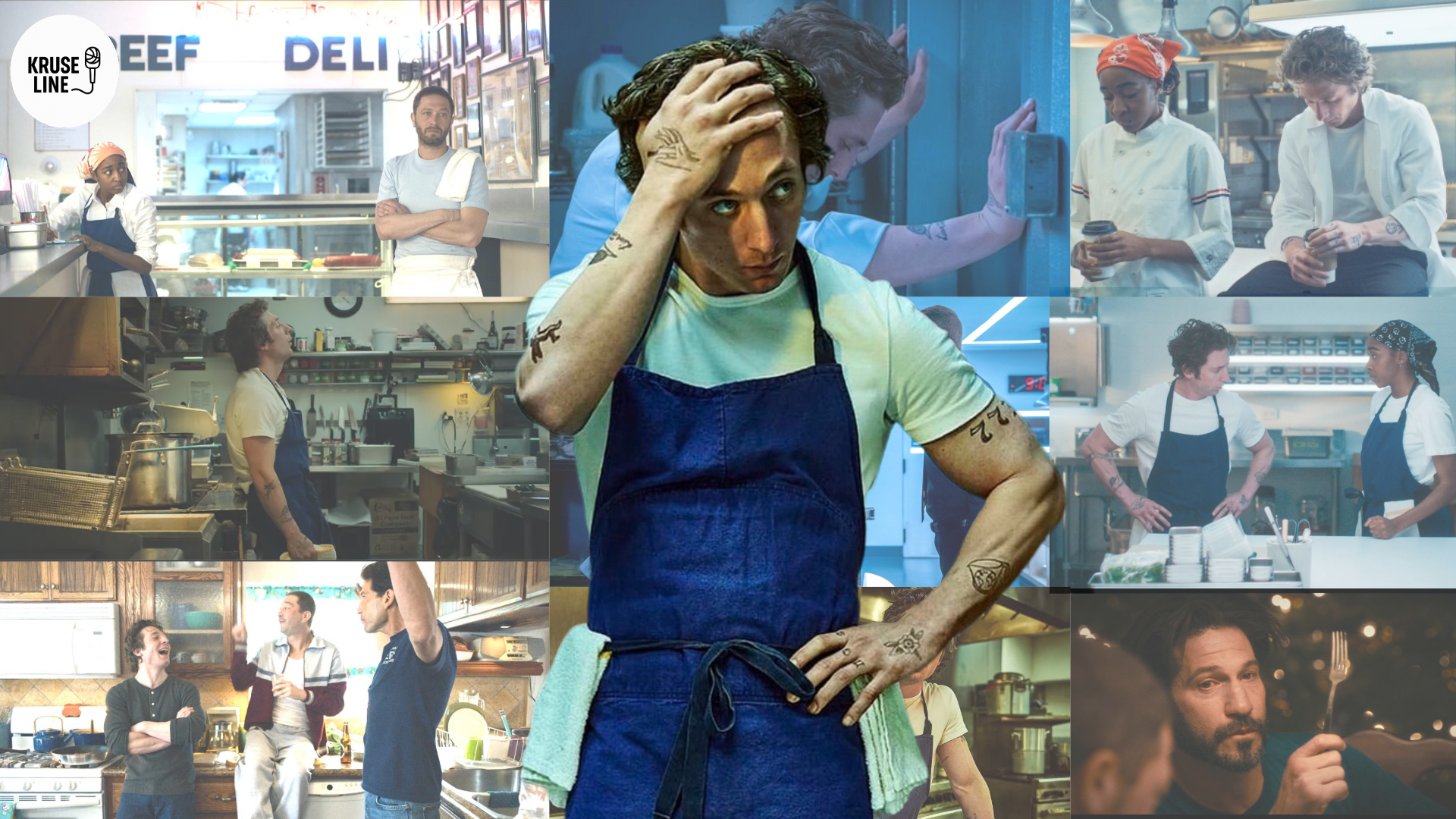
Like most modern television, The Bear’s seasons following the first explored the characters and the underlying themes of the show on a wider scope. In execution, however, it made it feel less like The Bear and more like a parody of itself.
The overreliance of music became a distraction that no longer complemented the scene, and the slow pacing through the season created a show that felt less like what the first two seasons were showing and deviated from what made the show so beloved.
As the series concludes with its fifth season, The Bear flew too close to the sun with its success and now goes back to its real beginnings: the kitchen.
Courtesy of FX Networks
Season Five Itself
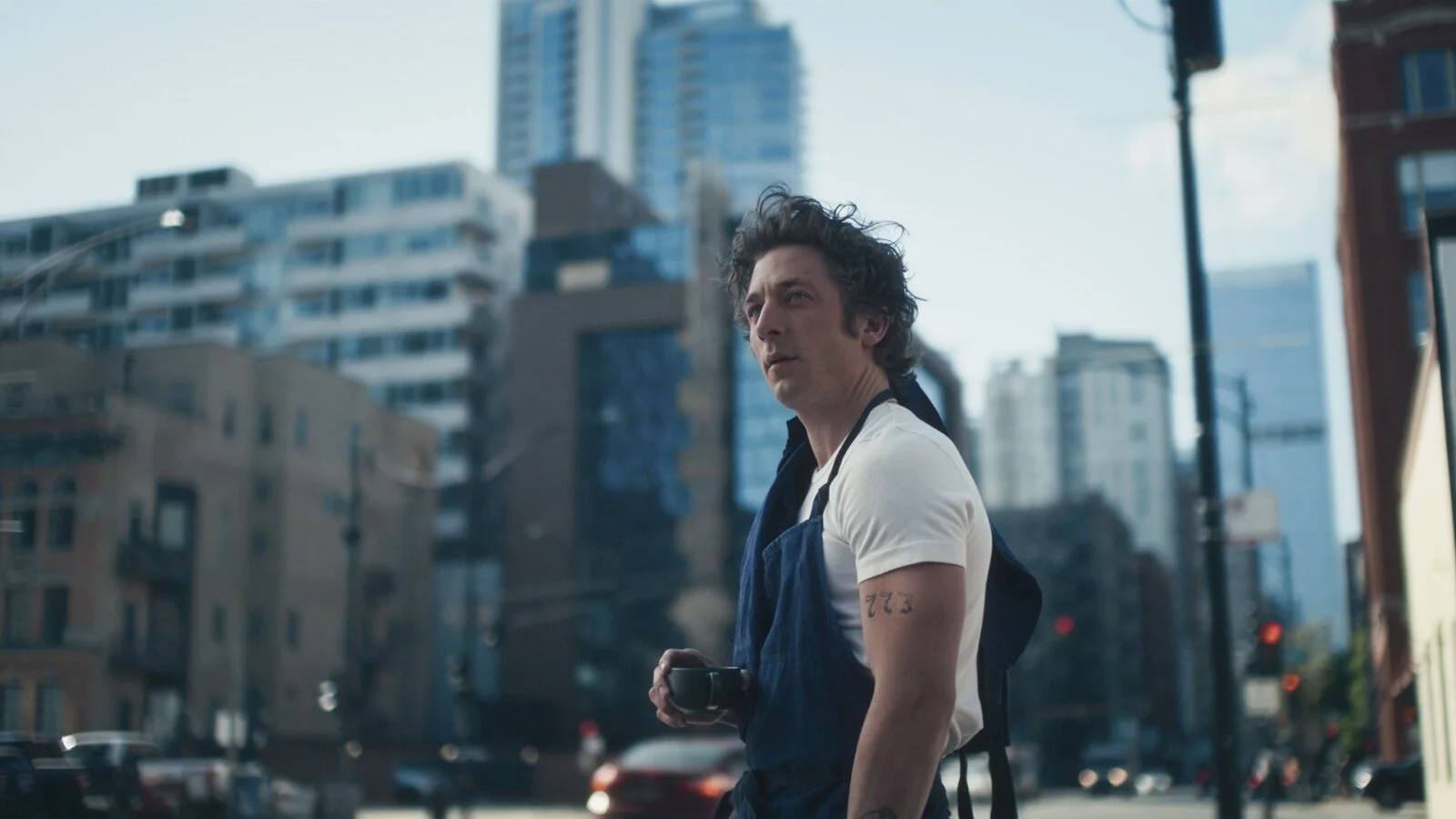
The last moments of The Bear end with the thing that was the most integral to the show: family.
Throughout the entire series, from why the restaurant was created to the trauma that defined Carmy's journey, it started with family. While being expanded into different ideas over time, it was great for the show to go back to what was the ground-work of the series.
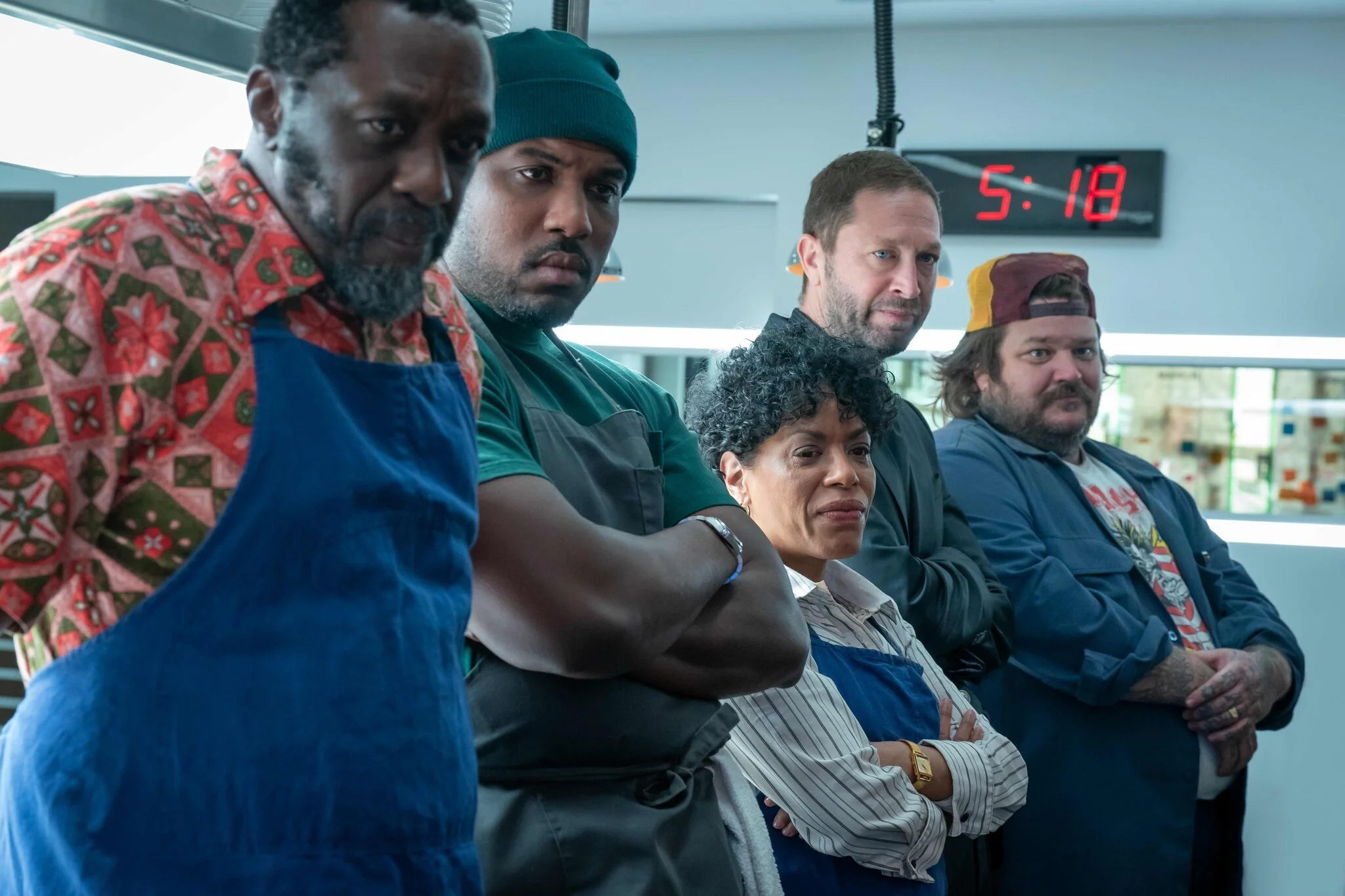
As Richie's daughter Ava's party continues, we see the same people that were the backbone of the entire season: the supporting cast.
For the near entirety of season five, it follows the staff throughout one rain-heavy and wall-collapsing shift and what results from that day.
Prior to this season, the problems that became major criticisms with the show were that, with the sudden success of the show, it became way too big for its britches. In this season, it feels grounded and bare bones.
The season feels like an example of what often happens in music. After a singer makes a major label album that leaves fans polarized, a lot of times they will go back to their roots or the fundamentals of their music.
This example feels comparable to this season of The Bear. Season five does what most great bands have done before: it goes back to the root of the show, the characters within the kitchen.
Zooming On Out
The First Two Seasons
The first season of The Bear surrounded Carmy (Jeremy Allen White) rebuilding his older brother's floundering sandwich business following his death.
What made the first season so good, and what became the best part of the first two seasons, was it being somewhat stripped-down.
From the constant chaos surrounding the relationships between each worker and the tension between Richie (Ebon Moss-Bachrach) and Carmy, it all climaxed into a triumphant ending when Carmy finds money from his brother in tomato cans.
The second season, while exploring more of the personal aspects of each character and its relation to the building of The Bear, the restaurant still feels stripped-down like the first season.
Most shows surrounding the world of cooking felt overstylized in the surrounding culture and often ended up feeling like a way to butter up an industry and the idea of it.
The Bear, while having some less realistic aspects of the food industry, felt like the realest television can get to how the culinary industry really can be.
Seasons Three and Four
As the first two seasons were released, The Bear only became a bigger success.
For most series, that means the ability to give an even deeper exploration into the characters with a bigger budget, but for The Bear, it felt like success changed the show's direction.
When a show like The Bear, that is very small in scope, now has the ability to widen out, it became something that hurt the next two seasons.
The biggest problem with seasons three and four, to me, is its priority of future payoffs rather than telling compelling stories in the present.
The first two seasons, while surrounded by anxiety-inducing chaos, never felt like a chore. Season three especially felt more like a homework assignment to complete than a good season of television.
What makes the payoffs such an issue is how intentional they feel in how they're placed. While the setups for future payoffs make you understand why they made the season, the intentionality doesn't equal quality because of it.
The biggest example of this is the episode "Ice Chips." While the meaning in furthering the story helps the series in the future, the episode itself is a slog. That feels like what happens most of the season.
While the importance of the episode is clear, the episode itself is a struggle to get through. "Ice Chips" and other episodes feel less like episodes and more like financial bonds.
Right now, there's nothing in the bonds, but what they will build for the future of the series makes them worth it to the writers.
Gary
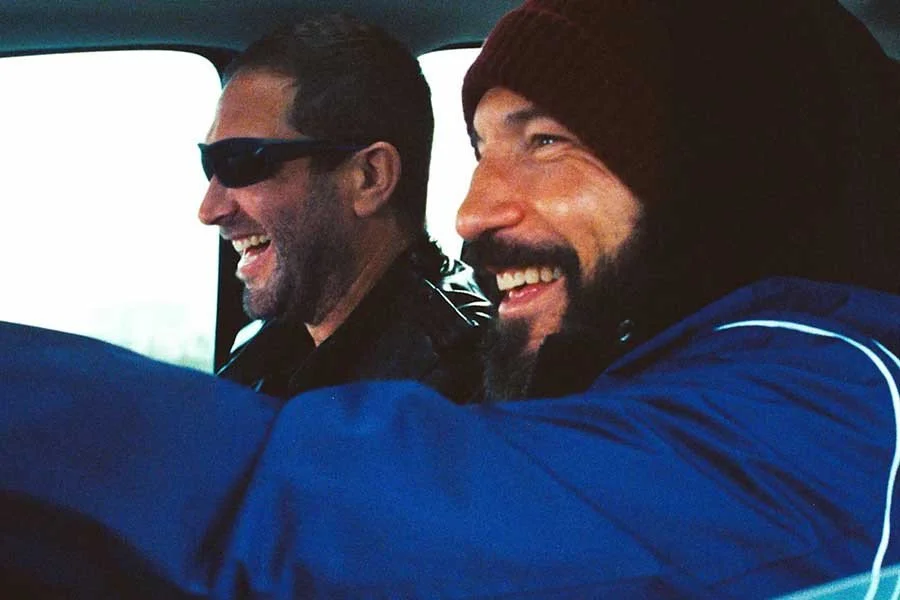
Before season five's release, a prequel following Richie and Carmy's older brother Mikey (Jon Bernthal) called "Gary" released following a mission given to them by Jimmy (Oliver Platt) to go to Gary, Indiana.
The episode helped give further depth into their relationship and them individually. For most of the series, outside of the "Seven Fishes" episode, we've had rare depths into Mikey, and this episode gives you a look into his own psyche and his relationship with Richie.
This episode releasing right before the season feels, now with the season released, like giving the viewer an idea of what this final season was meant to be.
“Gary" showed what made the first two seasons and this final season great: its groundedness. Gary's focus on just Richie and Mikey was an example of the best of this series when it was stripped to its best ability, exploring the characters on a deep level.
Courtesy of FX Networks
Impact
While only being on the air for four years, it still left a level of memorability that most modern streaming television fails to leave. There have been many great dramedies like The Bear this decade; very few were able to stay in the consciousness like it.
Its new perspective on the culinary industry shows how much goes into being a perfectionist in an industry filled with perfection and how finding that success still leaves a lack of accomplishment. Another big piece is the city it surrounds itself in.
Courtesy of FX Networks
While most shows just use their cities as a place to put their characters, The Bear really used the identity and background of Chicago to make it feel unique to its use.
Its spotlight on local eateries in Chicago and its rich food culture feels out of place, given how rare it is for a show to be truly connected to its setting in modern television.
The Bear made its best in something that feels hard to do in the attention span-lacking landscape we live in: one place, the kitchen.